
How to keep your energy high and avoid a mid-morning dip this summer.
Find yourself reaching for a quick fix for that 3pm slump? If you need a little lift in energy levels, the answer could be on your plate.
Many of us go through our day on a blood sugar rollercoaster. We eat foods that give us a fast blast of energy and then we crash with low energy, low mood and sugar cravings. Skipping meals and too much stress just adds to the load, leaving us feeling depleted and exhausted.
When our blood sugar levels are well balanced, we feel better. More energy, better mood, fewer cravings and less ‘hangry’!
The good news is there are simple ways to adjust the balance on your plate to help keep your energy high all summer long.
Making the switch to higher fibre foods and adding a little extra protein at each meal can be a gamechanger. These two nutrients help to slow sugar release, balance insulin levels and maintain our energy for longer.

What are slow release carbs?
Glucose is our body’s favourite energy source and it suits us best when that energy supply is slow and steady. We get glucose from carbohydrate foods like grains, potatoes, fruit, vegetables and pulses.
The fibre in foods like wholegrains slows the release of glucose into the blood stream and has a balancing effect on insulin. Slow-release carbs, also known as low GI (or low glycaemic index) foods are high in fibre and help sustain our energy for longer. Soluble fibre also slows the release of foods from our stomach, so we tend to feel fuller for longer if we have a little more fibre on our plate.
What effect does protein have on energy?
Getting enough protein on your plate may help you to feel fuller for longer and maintain more stable blood sugar and insulin levels, resulting in more sustained energy throughout the day.
It is important to get some protein at each meal, and research shows that a well-balanced plate, with a little more protein at breakfast time may have positive effects on blood sugar, insulin and energy levels later in the day. (1)
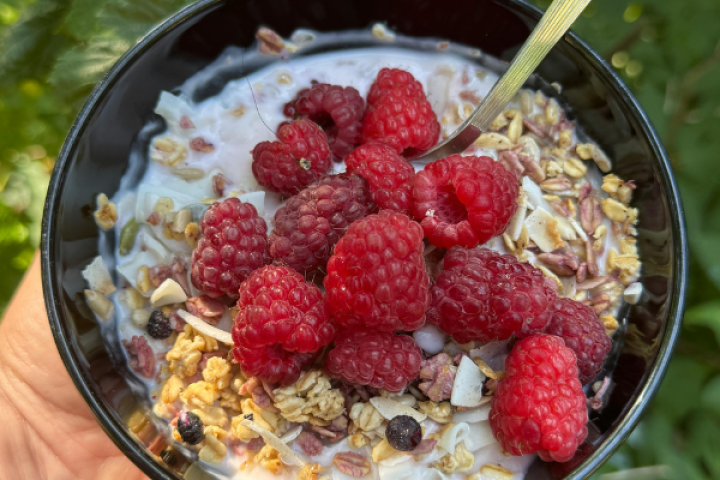
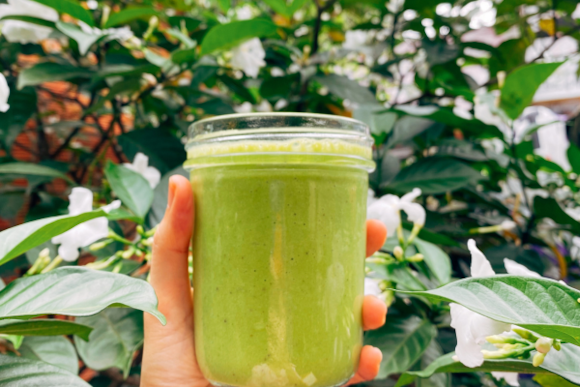
Linwoods milled seeds are a tasty and easy way to add some extra protein to your breakfast bowl, or drop into a smoothie for a summer breakfast on the go.
Hot tips to keep your energy levels high during summer
- It’s summer, so eat your breakfast outside. Morning daylight can help get your day off to a good start and makes a real difference to energy levels throughout the day.
- Start your day with a higher protein breakfast. Try Linwoods Protein Overnight Oats – packed full of fibre from oats and seeds, with With up to 12g (Chocolate overnight oats have 11g and Vanilla have 12g)
- protein from chia seeds and soya protein, to help maintain a steady blood glucose and balance insulin levels. Choose from Linwoods range of protein overnight oats for a high fibre, protein rich start to your day. Tastes great with seasonal berries or some grated apple.
- Get the daily habit of adding milled seeds to your meals. Pop Two dessertspoonful’s of Linwoods Flaxseed, Sunflower, Pumpkin & Chia Seed mix into yoghurt or smoothies at breakfast, or add a sprinkle to seasonal salads for some extra fibre and protein at lunchtime.
- Keep well hydrated. Fatigue can often be the first sign of dehydration, so drink up. Aim for 6-8 of water a day. This is especially important if you are increasing your fibre intake, as soluble fibre needs water to do its job.
- Focus on fibre and protein at each meal. Aim for a palm sized portion of protein and mix it up. Adding Linwoods seeds to summer salads is a great way to get a little extra.
- Consider the quality & quantity of your carbs. Choose higher fibre, slow release sources that will fill you up better and aim to keep your portion size to about one fist-sized portion. Choose from:
- Brown rice
- Wholewheat or red lentil pasta
- Oatcakes
- Overnight oats
- Sweet potato
- Baby boiled new potatoes (skins on!)
- Brown rice
- Keep an eye on your sugar load. Too much will deplete your energy and leave you looking for the next sugar fix. Aim to choose low sugar foods with 5g or less per 100g. Look out for healthy swaps that you enjoy.
- Swap alcohol for low or no alcohol alternatives, or choose kombucha with ice and a slice as an alternative to fizzy drinks.
N.B There are lots of reasons for fatigue, so always check in with your GP or healthcare provider.
References
- Giuntini EB, et al. The Effects of Soluble Dietary Fibers on Glycemic Response: An Overview and Futures Perspectives. Foods. 2022 Dec 6;11(23):3934. https://pubmed.ncbi.nlm.nih.gov/36496742/
- Westerterp-Plantenga MS, et al. Dietary protein – its role in satiety, energetics, weight loss and health. Br J Nutr. 2012 Aug;108 Suppl 2:5105-12. https://pubmed.ncbi.nlm.nih.gov/23107521/
- The Effects of Breakfast Consumption and Composition on Metabolic Wellness with a Focus on Carbohydrate Metabolism – ScienceDirect
Jane McClenaghan is Northern Ireland’s most recognised nutritionist with over 20 year’s experience. Her company Vital Nutrition specialises in developing and delivering group sessions for corporate and community clients both online and in-person as well as running an online membership club and offering one-to-one consultations.
![2mPfOiQH[1]-4](https://cdn.prgloo.com/media/232b83d0fdb94df9aeec20add403d7e3?width=580&height=580)
Jane’s knowledge in the subject area of health and wellbeing is unrivalled as indicated by her qualifications, reputation and experience.
Jane’s sessions cover a range of health and wellbeing topics from mental health to stress, female and male health, healthy eating on a budget, heart health, sleep, family wellbeing and much more.
Jane is also the author of two books on nutrition, she writes a weekly column in the Irish News, has a monthly slot on radio U105 and is a regular contributor to the BBC, The Belfast Telegraph and many other media outlets.
You can find out more and get in touch with Vital Nutrition here;