
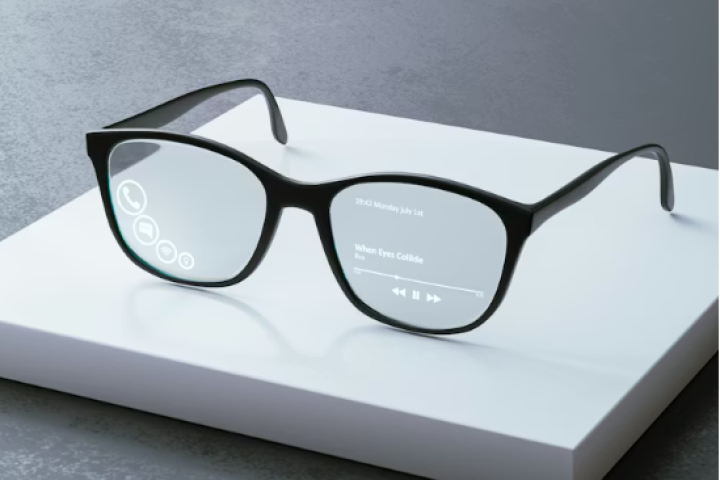
Camera glasses are one of the latest pieces of modern technology to enter everyday life – designed to film daily interactions and capture funny, organic moments. But beyond social content and novelty value, researchers are now exploring how they could transform something far more significant: nutrition research.
A new trial led by the University of Reading aims to reshape how dietary studies are conducted using this emerging technology.
The SODIAT-2 study is a collaboration between the University of Reading, Aberystwyth University, the University of Cambridge and Imperial College London. It is funded by the UK’s Medical Research Council and the Biotechnology and Biological Sciences Research Council.
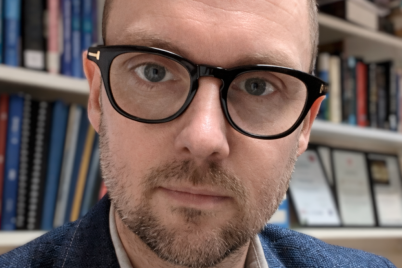
Dr Manfred Beckmann, Lead Principal Investigator from the Department of Life Sciences at Aberystwyth University, said one of the biggest challenges in nutrition research is obtaining an accurate picture of what people actually eat.
“One of the problems facing nutrition researchers is getting a true picture of people’s eating habits. By developing a new methodology, we aim to get a much more accurate record of people’s diets,” he said.
Participants in the study will wear camera glasses designed to automatically capture images of what they eat and drink in their daily lives. The aim is to achieve a level of accuracy and reliability that surpasses current approaches.
Professor Julie Lovegrove from the University of Reading, who is leading the trial, described the project as a potential turning point.
“This trial is a game-changer for public health and nutrition research. Currently, we use tools to assess what people eat, including food diaries, 24-hour dietary recalls that rely on someone remembering what they consumed the previous day, or food frequency questionnaires that record what people ate over a longer timeframe, such as the past month. However, humans are not very reliable, especially when asked to remember snacking or portion sizes.”
Researchers believe the technology could revolutionise dietary assessment, allowing stronger links to be drawn between diet and health conditions such as type 2 diabetes, heart disease and some cancers.
How the study works
The SODIAT-2 study will recruit 133 adults across the UK to take part in a five-week programme, all from the comfort of their own homes. For up to 12 days, participants will:
-
Wear camera glasses that automatically take photos capturing what they eat and drink
-
Collect small blood and urine samples using easy-to-use home kits, which are returned by post for analysis
-
Complete short online food and drink questionnaires reporting what they have eaten in recent days
-
Follow a study test diet, where all participants consume identical food and drink for three days
By combining these methods, the research team hopes to determine the most effective way to study diets in real-life settings.
A team effort
The project brings together expertise from across the UK:
-
-
The University of Reading is leading the trial and developed the online food and drink questionnaire technology.
-
Aberystwyth University is leading the overall project and developed the urinary biomarker panel.
-
The University of Cambridge is leading the blood sample analysis.
-
Imperial College London developed the camera glasses and is using artificial intelligence to analyse the images captured by the wearable devices.
-
University of Reading Trial Uses Camera Glasses for Diet Research