

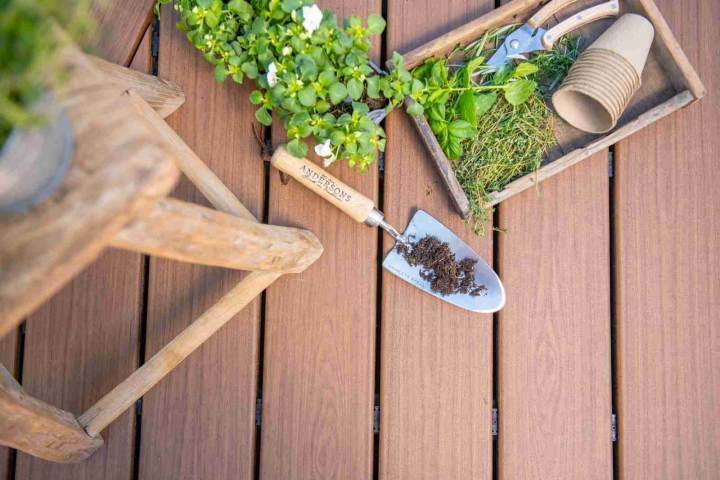
Autumn has arrived, and September is the ideal time to transition your garden ready for colder weather. With leaves turning orange and starting to fall, there is a lot of garden care to get done.
Acting as a bridge between seasons, it is crucial to start preparing your garden for winter in September, warns outdoor living expert Simon Parry, who is a TrexPro® composite decking installer for Trex® and landscape gardener.
Here are six of Simon’s top tips to follow in September.
- Keep lawn roots strong
Weather in September can be unpredictable, so bear this in mind when cutting your grass – lawns preferably need mowing in dry weather as cutting wet grass can smear soil and damage grass roots.
At the beginning of the month, cutting every 1–2-week with high mower blades will help the grass absorb the rain it didn’t get in summer. Towards the end of September when growth slows down, fortnightly cuts will suffice.
Autumn lawn feed that is high in potassium and phosphorus should be applied if grass is not growing well, as it strengthens the roots. For any summer damage, raking out dead moss and spiking lawns with a garden fork to create holes before feeding can boost growth.
- No dodgy decks
Deck maintenance is vital this month to prepare for the winter weather. Cold temperatures, wind and rain can lead to damaged timber decks and increased chances of mould, so be sure to look out for signs of rot, mildew and warped boards.
Composite decking like Trex, on the other hand, is mould and mildew resistant, anti-warp and splinter-free. For composite decks, you should sweep away any fallen autumn leaves and simply clean using a bucket of warm soapy water and a sponge.
- Plants to sow
There are a variety of plants that should be sowed in September while the soil is still warm. Hardy annuals, if sowed now, will be ready early next summer and hardy greens will be ready for winter pickings.
Sowing spring flowering bulbs, such as daffodils and hyacinths, will also allow them to establish strong roots before winter, and filling up containers ensures plenty of Autumn growth.
Late flowering plants can be deadheaded to prolong displays. Alternatively, leaving the seed heads intact on plants like sunflowers means birds can feed on them in winter. Over time perennials can get overcrowded, so dividing them in September will rejuvenate them.
To divide, water the plant throughout the day and trim the foliage down to a few inches tall. Gently lift the perennials by using a garden fork to dig around the plant, before separating them and replanting.
- Bumper harvest
Bumper harvests are a common occurrence in September, when a combination of ideal growing conditions align resulting in a larger than usual harvest of fruits and vegetables. This is because a lot of plants reach their peak.
Fruits such as apples, pears and plums should be ready now along with vegetables like, tomatoes, courgettes, beans, onions and potatoes, too. Make sure to pick off any rotting fruits.
Any spent, healthy plants can be composted and finished summer crops should be removed.
- Prep the greenhouse
It is important to clean and prepare your greenhouse now, so it is ready for when the temperatures drop. Light levels will drop in winter, effecting the health of your plants, so clean the glass inside and out. Dead plant matter and spent compost should be removed, as they can harbour pests.
- Make leaf moulds
A leaf mould is a soil conditioner made entirely from decomposed fallen leaves. It is created through fungal breakdown, which offers benefits such as water retention, additional nutrients and improved aeration. Making a leaf mould is simple but incredibly effective.
All you need to do is gather fallen leaves and stuff them into sturdy black plastic bags. Poke holes into the bag and leave it to decompose over 1-2 years, resulting in organic matter.
Trex is available from a range of builders’ merchants, garden and landscape supplies specialists across the UK, as well as at over 150 Wickes DIY stores. For more information on Trex, visit uk.trex.com