
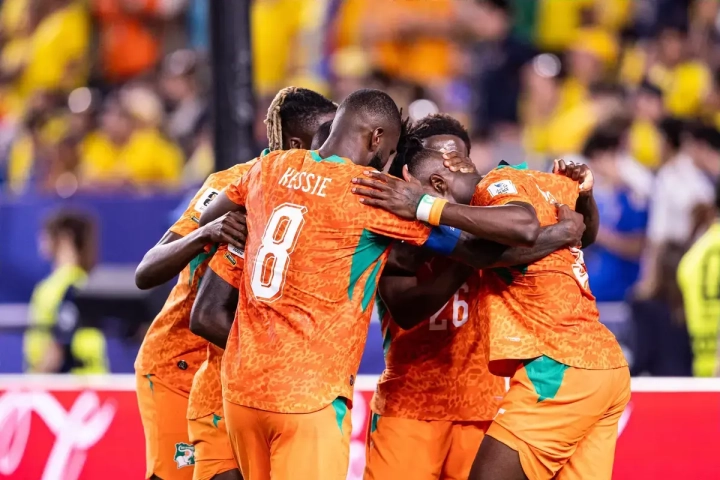
The 2026 FIFA World Cup Group E campaign commenced with an incredibly tense and physical encounter as Ivory Coast snatched a dramatic 1-0 victory over Ecuador. Staged at the sprawling Philadelphia Stadium in Pennsylvania, affectionately known as Lincoln Financial Field, the match kicked off at exactly 00:00 BST on Monday, 15 June 2026. Breaking the deadlock in the dying embers of the game, substitute Amad Diallo etched his name into the annals of his nation’s footballing history, sealing three vital points. For the African outfit, it marked a triumphant return to the global stage after a dozen years away, while simultaneously bringing a crashing halt to their South American opponents’ formidable 19-game unbeaten streak.
The Tactical Battle Lines Drawn
Arriving in the United States, both nations carried immense expectations and distinct tactical philosophies. Under the guidance of head coach Emerse Faé, Les Éléphants deployed a structured 4-4-2 formation. The system relied heavily on the robust central midfield partnership of Franck Kessié and Seko Fofana, explicitly designed to disrupt the opposition’s rhythm and supply quick transitions to the forward line. Conversely, Ecuadorian tactician Sebastián Beccacece opted for a flexible 3-4-3 setup. Entrusting the creative burden to Chelsea midfielder Moisés Caicedo, La Tri aimed to control possession and utilise the width provided by their wing-backs to stretch the rigid Ivorian defensive block.
Despite the vast geographical distance from Quito, the atmosphere inside the 68,274-capacity stadium felt overwhelmingly like a virtual home fixture for the South Americans. A sea of vibrant yellow shirts dominated the stands, generating a cacophony of noise that provided the perfect backdrop for a fiercely contested opening 45 minutes. From the first blast of the referee’s whistle, it became abundantly clear that neither side was willing to concede an inch of territory without a profound physical struggle.
A Physical and Fractious First Half
The opening exchanges were entirely defined by combative midfield duels and cynical fouls rather than free-flowing, aesthetic football. Ivory Coast captain Kessié immediately set an uncompromising tone, committing a forceful challenge within the opening four minutes. This aggressive approach quickly caught the attention of the match officials, culminating in a flurry of yellow cards for the African side. Seko Fofana was the first to enter the referee’s notebook in the 27th minute, closely followed by Kessié in the 37th minute and defender Guéla Doué just two minutes later. This sheer volume of cautions perfectly encapsulated the ruthless nature of the contest.
Despite the frequent stoppages, both sides managed to engineer moments of genuine peril. Ecuador posed a constant threat during the early stages, rattling the woodwork on two separate occasions. John Yeboah and Nilson Angulo each found the crossbar within the opening half-hour, leaving Ivorian goalkeeper Yahia Fofana completely stranded and breathing massive sighs of relief. The woodwork proved to be a completely impartial participant, denying the South Americans the early advantage their territorial dominance perhaps warranted.
Second Half Adjustments and Near Misses
Emerging from the interval, the frantic pace of the match showed absolutely no signs of abating. Ivory Coast nearly altered the complexion of the tie in the 52nd minute when forward Elye Wahi connected cleanly with a flicked header, only to become the third player of the evening to see his effort cannon back off the crossbar. The chance originated from the tireless work of Yan Diomande down the right flank. The RB Leipzig attacker was a constant menace throughout the fixture, repeatedly breaching the high defensive line of Piero Hincapié and Willian Pacho to deliver dangerous crosses into the penalty area.
Sensing the shifting momentum, Beccacece urged his players forward. La Tri enjoyed a sustained period of pressure around the hour mark, culminating in their best opportunity of the second half. In the 68th minute, Gonzalo Plata found a pocket of space roughly 25 yards from goal and unleashed a venomous, swerving strike. The effort appeared destined for the top corner, but Yahia Fofana produced a magnificent, sprawling save to parry the ball to safety, preserving his nation’s impeccable defensive record that had seen them concede exactly zero goals during their ten-match qualifying campaign.
The Decisive Substitution and Late Drama
Recognising the need for fresh impetus, Faé made a crucial, game-defining tactical intervention in the 55th minute, introducing Manchester United winger Amad Diallo in place of Bazoumana Touré. The substitution injected immediate pace and directness into the Ivorian attack, stretching the tiring Ecuadorian wing-backs and forcing them into a much deeper defensive posture. The physical toll of the match was becoming increasingly evident, perfectly illustrated by a cynical 72nd-minute foul from substitute Jackson Porozo that rightfully earned the South American a yellow card.
As the match drifted towards what appeared to be an inevitable stalemate, a sudden moment of individual brilliance shattered the deadlock. In the 89th minute, defender Wilfried Singo embarked on a powerful, driving run down the right channel. Bypassing two challenges, he delivered a pinpoint pass to the feet of Diallo just inside the penalty area. Displaying remarkable composure, the substitute attacker shifted his body weight and unleashed a clinical, left-footed strike that arrowed perfectly into the bottom corner, completely beating the despairing dive of Hernán Galíndez. The goal sent the Ivorian bench into absolute delirium, rewarding their defensive resilience with a priceless late advantage and cementing Diallo’s status as the indisputable Player of the Match.
Post-Match Fallout and Tournament Trajectory
The final whistle confirmed a monumental triumph for Les Éléphants. The victory not only banishes the lingering disappointment of their previous World Cup campaigns, where they consistently failed to navigate the group stages, but also establishes a formidable platform for the remainder of the tournament.
Speaking to the media in his post-match press conference, Faé was visibly delighted with the tactical application of his squad. He praised the intense nature of his team’s performance and singled out the exceptional link-up play between Singo and Diallo that ultimately secured the three points.
Conversely, the defeat represents a bitter pill for Ecuador to swallow. Their remarkable 19-game unbeaten run, which stretched back to a narrow loss against Brazil in September 2024, has been completely erased. Beccacece openly admitted the outcome was a highly painful situation, expressing regret that his squad could not deliver a victory for the thousands of travelling supporters. Captain Enner Valencia echoed his manager’s sentiments, insisting the squad would keep their heads held high with the vast majority of the tournament still ahead of them.
Looking ahead, Group E promises to be an incredibly demanding environment. Ivory Coast face the daunting prospect of four-time world champions Germany in their subsequent fixture, following the European powerhouse’s emphatic 7-1 demolition of Curaçao earlier on Sunday. Ecuador, meanwhile, must urgently regroup and secure three points against Curaçao on 20 June to maintain any realistic ambitions of progressing to the coveted knockout rounds.