
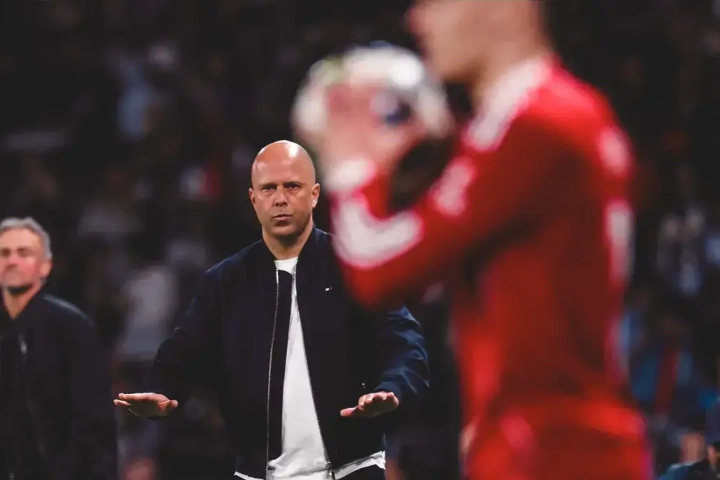
Twelve months ago, Arne Slot stood on top of English football.
The Dutchman had achieved what many believed impossible. Following the emotional departure of Jürgen Klopp, Slot arrived at Anfield carrying the burden of replacing one of Liverpool’s greatest-ever managers. Instead of shrinking beneath the pressure, he thrived.
Liverpool stormed to the Premier League title in his first season. The football was efficient, the atmosphere positive and the transition from Klopp to Slot appeared almost seamless. Pundits hailed him as the perfect successor. Rivals admired how quickly he had imposed his ideas. Supporters sang his name.
Today, he is unemployed.
Liverpool’s decision to sack Slot following a disastrous second season represents one of the most dramatic reversals of fortune seen in recent Premier League history. One year after delivering the club’s 20th league title, the man who was celebrated as Klopp’s heir has become the latest victim of football’s ruthless cycle.
The question now being asked across Merseyside and beyond is simple: how did it go so wrong so quickly?
The answer lies in a combination of tragedy, recruitment misfires, dressing-room tensions, tactical confusion and a club that slowly lost its identity.
The Weight of Success
Winning the Premier League in your first season creates expectations that are almost impossible to satisfy.
Slot’s debut campaign was built on continuity. Liverpool retained much of the intensity and structure that Klopp had left behind. Key players remained influential. Mohamed Salah continued producing goals. Virgil van Dijk remained a defensive leader. Alisson delivered crucial saves.
Most importantly, there was still a lingering Klopp effect throughout the football club.
Slot wisely avoided radical changes. Rather than reinvent Liverpool, he refined Liverpool.
The challenge arrived when he attempted to make the team fully his own.
Second seasons often expose managers. Opponents spend a year studying tactical patterns. Players become accustomed to methods that initially felt fresh. Expectations rise exponentially.
At Liverpool, that pressure intensified after becoming champions.
Instead of building upon success, the club appeared to drift.
Results became inconsistent. Performances lacked conviction. Liverpool slipped from title contenders into a side battling merely to secure Champions League qualification. By the end of the campaign they had fallen dramatically behind the division’s elite and supporters had begun openly questioning whether Slot was the right man for the future.
For Fenway Sports Group, the decline proved impossible to ignore.
The Jota Effect: A Tragedy That Changed Everything
Football clubs often speak about togetherness, family and culture.
Rarely are those concepts tested in the way Liverpool were tested by the death of Diogo Jota.
The Portuguese forward’s passing sent shockwaves throughout football. It was not simply the loss of a talented footballer. By all accounts, Jota was one of the most popular figures inside Liverpool’s dressing room.
Players spoke openly about their grief. Staff struggled to process the tragedy. Supporters mourned a player who had become synonymous with decisive moments and relentless commitment.
Liverpool officials later praised Slot for the compassion and leadership he showed during one of the darkest periods in the club’s modern history. Even in the statement announcing his departure, the club highlighted his conduct throughout that difficult period.
Yet football rarely pauses for grief.
Matches continued. Expectations remained.
Several figures inside the game believe Liverpool never fully recovered emotionally from Jota’s absence. While it would be simplistic to blame an entire season on one devastating event, there is little doubt the tragedy altered the atmosphere around the club.
The joy and momentum that had carried Liverpool to a title gradually gave way to uncertainty.
The psychological impact cannot be measured in league tables, but it was clearly felt.
The Diaz Departure Nobody Properly Replaced
If Jota’s loss created an emotional void, Luis Díaz’s departure created a footballing one.
Liverpool underestimated the Colombian’s importance.
For years, Díaz had been one of the side’s most dynamic attacking outlets. His pace, pressing, dribbling and unpredictability stretched opponents and created space for teammates.
When Bayern Munich secured his signature, Liverpool believed they could redistribute responsibility throughout the squad.
Instead, they lost one of the few players capable of consistently destabilising organised defences.
Slot himself later acknowledged the importance of rebuilding Liverpool’s wide attacking threat and admitted the club needed new wingers after a dramatic decline in productivity from those areas.
The statistics told a worrying story.
Liverpool became slower in transition. Less dangerous in one-versus-one situations. Easier to defend against.
Opponents increasingly sat deep knowing the Reds lacked the same explosive threat from wide positions.
Replacing a player is never just about replacing goals or assists.
Sometimes it is about replacing fear.
Diaz frightened defenders.
Liverpool never truly found someone capable of doing the same.
Hundreds of Millions Spent — Yet No Clear Identity
Liverpool’s recruitment strategy also came under scrutiny.
The club invested heavily. New arrivals arrived with considerable fanfare and significant price tags. Expectations soared accordingly.
Yet there remained a lingering question throughout the season.
What exactly was Liverpool trying to become?
The best Liverpool sides under Klopp possessed unmistakable characteristics. Even when results dipped, supporters understood the blueprint.
Under Slot’s second-season rebuild, the picture became increasingly blurred.
Some signings appeared designed for possession football. Others looked suited to transitional football. Certain matches saw Liverpool attempt to dominate the ball, while others suggested a more pragmatic approach.
The result was inconsistency.
Individual quality occasionally rescued results, but collective cohesion rarely emerged.
Supporters can forgive losing.
What they struggle to accept is confusion.
By spring, sections of Anfield appeared unconvinced by the direction of travel.
The Salah Problem
Every major managerial downfall contains a defining fault line.
For Slot, it increasingly appeared to be his deteriorating relationship with Mohamed Salah.
At his peak, Salah had been Liverpool’s most influential footballer since Steven Gerrard. Even entering the latter stages of his Anfield career, he remained a powerful voice within the dressing room.
Reports of tension between player and manager persisted for months.
What made the situation impossible to ignore was the increasingly public nature of the disagreement. Salah’s comments regarding Liverpool’s style of play were widely interpreted as criticism of Slot’s tactical approach. His references to Liverpool’s traditional attacking identity struck a chord with supporters who felt the team had become less aggressive and less entertaining.
The fallout extended beyond interviews.
Social media activity from players fuelled speculation regarding divisions inside the squad. Discussions about Salah’s future became inseparable from discussions about Slot’s future.
Whether the relationship was beyond repair remains known only to those inside the club.
What is clear is that when a manager begins losing influential voices, the countdown often starts.
Liverpool’s hierarchy may have supported Slot publicly for much of the campaign. Behind the scenes, however, concerns were clearly mounting.
Losing the Crowd
Perhaps the most damaging development was the gradual erosion of supporter trust.
Football fans are remarkably perceptive.
Long before boardrooms make decisions, terraces usually sense when something is wrong.
Anfield had embraced Slot during his first season. He had delivered silverware, stability and hope.
That goodwill slowly disappeared.
Questionable substitutions attracted criticism. Tactical decisions were booed. Home performances became increasingly tense affairs. The atmosphere shifted from belief to frustration.
Liverpool’s fanbase has always demanded intensity.
The team that once overwhelmed opponents with relentless pressure appeared hesitant and reactive.
As defeats accumulated, comparisons with Klopp’s era became unavoidable.
Those comparisons rarely favoured Slot.
Why FSG Acted Now
Fenway Sports Group are not known for impulsive decisions.
Historically, Liverpool’s owners have preferred long-term planning over emotional reactions.
That makes Slot’s dismissal particularly significant.
Club executives clearly concluded that the problems were structural rather than temporary.
Had Liverpool finished second while remaining competitive, Slot would likely still be in position.
Instead, the campaign spiralled into a battle merely to remain among Europe’s elite. Recruitment questions persisted. Dressing-room harmony appeared fragile. The football lacked a convincing identity.
Most importantly, there seemed little evidence that another season would automatically produce improvement.
Modern football rewards decisive action.
Liverpool’s leadership chose to act before the situation deteriorated further.
The Cruel Reality of Modern Management
There is an irony to Slot’s departure.
In many eras of football history, a manager who delivered a league title would have earned years of patience.
Instead, he leaves Anfield just twelve months after one of the club’s greatest achievements.
Yet football’s standards have changed.
Success buys time, but not unlimited time.
The expectations attached to Liverpool remain enormous.
Competing for titles is not considered a bonus. It is considered the minimum requirement.
Slot’s first season ensured he will always have a place in Liverpool’s history.
His second season ensured that place would be far shorter than anyone imagined.
What Happens Next?
Attention now turns towards Liverpool’s next appointment.
Names have already begun circulating. Bournemouth’s Andoni Iraola is widely viewed as a leading contender after impressive work on the south coast. Other candidates are expected to emerge as the club conducts its search.
Whoever arrives faces a significant challenge.
The squad requires rebuilding.
The attack needs fresh energy.
The dressing room needs unity.
Supporters need convincing.
Most importantly, Liverpool need rediscovering.
Because the biggest lesson from Arne Slot’s rise and fall is not that he suddenly became a poor manager.
Few coaches win the Premier League by accident.
Instead, his story serves as a reminder that success in modern football is fragile. Momentum disappears quickly. Dressing rooms change. Key players leave. Recruitment plans fail. Expectations grow.
One year can transform a hero into a casualty.
Twelve months ago, Arne Slot was parading the Premier League trophy before a jubilant Anfield crowd.
Today, Liverpool are searching for his replacement.
Football has always been ruthless.
At Anfield, it has rarely been quite this ruthless.