
Immersive Arts has secured over £8.5 million to continue supporting UK artists working with immersive technologies until 2030, following high levels of demand for grants and development opportunities during its first phase.
Since launching in 2024 with a £6 million investment, the UK-wide Immersive Arts programme has awarded more than £3.24 million in grants to 225 creative teams and created inclusive and accessible opportunities for more than 2,300 artists across the UK, to explore, experiment with or expand how they make work that uses technology to actively involve an audience.
The new funding will extend the programme for a further three years, with more than £4.7 million allocated directly to artists at all stages of their creative development through grants, training and professional development opportunities.
It will also enhance support for artists ready to commercialise their work and grow sustainable creative businesses, offering tailored business and investment advice, alongside opportunities to connect with collaborators, funders and investors.
Funding for Immersive Arts is provided through a collaboration between the Arts and Humanities Research Council (UKRI), Arts Council England (ACE), the Arts Council of Wales (ACW), Creative Scotland and the Arts Council of Northern Ireland (ACNI). Funding from Creative Scotland, ACW and ACNI is provided by The National Lottery.
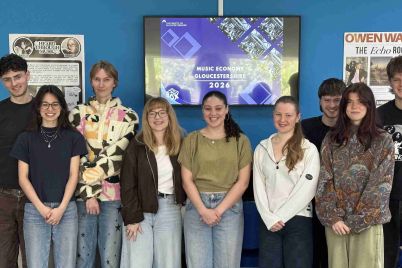
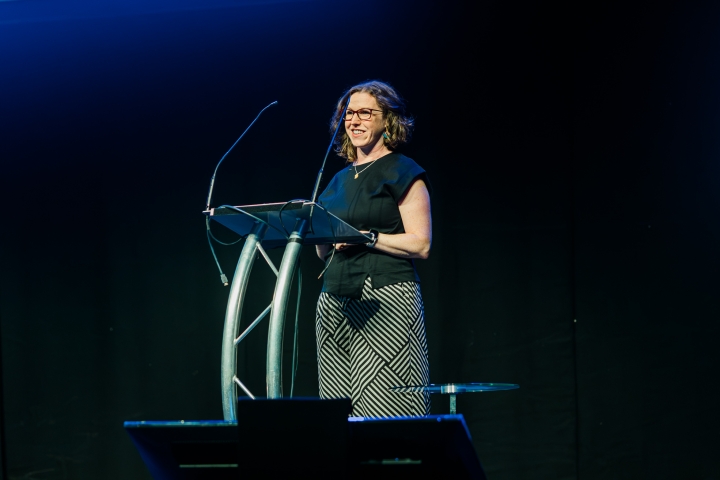
The news was announced by UWE Bristol’s Professor Verity McIntosh, Principal Investigator and Director of Immersive Arts, during Immersive Arts’ annual gathering The Big Thing in Llandudno, Wales (9 – 11 September).
“We have already seen such a profound impact of the Immersive Arts programme, attracting applications from artists from an incredibly diverse range of creative disciplines, backgrounds and lived experiences,” said Prof McIntosh. “The sector is growing fast, with a super-connected and wildly collaborative community forming across England, Scotland, Wales and Northern Ireland.”
This second phase builds on the successes and learnings of the first three years, offering welcome continuity and stability to the UK’s immersive arts sector. All five of the original funders and ten founding consortium partners are continuing their involvement, renewing their commitment to the UK’s creative community, with a growing network of global collaborators.
Watershed’s Ruth McCullough, Executive Producer of Immersive Arts, said: “We’re starting to see the impact of supporting creative works at their earliest stages, as they connect with audiences and attract partners from around the world to the UK to learn from this model of artist-led innovation.
“The funding will enable us to build on momentum, offering enhanced development opportunities to artists who have been working in the immersive space for a long time or at scale, while continuing to welcome those at the beginning of their immersive arts exploration. It will also enable us to work across the sector and four nations, to support and advocate for this artform and the unique ecosystem that surrounds it.”
Commenting on behalf of the programme funders, the Arts and Humanities Research Council (UKRI), Arts Council England (ACE), the Arts Council of Wales (ACW), Creative Scotland and the Arts Council of Northern Ireland (ACNI), AHRC Executive Chair and UKRI Creative Industries Sector Champion Professor Christopher Smith said: “Immersive technologies have enormous potential for the UK’s creative and cultural economy, and who better to explore this potential than the creatives and artists who will ultimately use it?
“Phase two of Immersive Arts will build on what the programme has achieved to-date to showcase how these technologies could transform the way audiences experience arts and performance.”
Alongside direct funding for artists, Immersive Arts aims to break down barriers, making what can be an exclusive field of practice much more accessible and inclusive to all.
The programme’s research team is engaging with some of the sector’s most pressing issues, providing much-needed insight into exhibition and distribution infrastructure, audience testing and evaluation, accessible and inclusive design practices, and the ecosystems around facilities and support for immersive production in the UK.
At The Big Thing, they unveiled new research and an interactive map of the UK’s immersive production facilities, alongside a report ‘Joining the Dots: connecting the UK’s immersive production facilities with the arts and culture sector’.
Prof McIntosh added: “Our research aims to make the UK’s growing network of immersive production facilities more visible to those working in the arts and culture sector, and to get a conversation started about what we need to thrive. With this additional funding, we’ll be able to continue developing research, sharing knowledge and creating more opportunities for artists to engage with immersive technologies.”
Further details, including forthcoming funding opportunities, will be shared in the New Year. For more information, sign up to the Immersive Arts newsletter or visit immersivearts.uk