
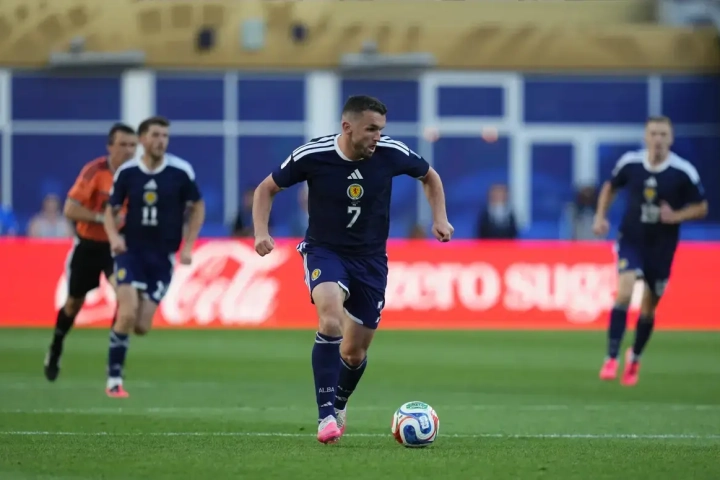
The scorching heat of Florida sets a dramatic and demanding stage for one of the most compelling narratives of the 2026 FIFA World Cup group stages. On Wednesday, 24 June 2026, a resilient and determined Scotland side will clash with five-time world champions Brazil in a highly anticipated Group C decider. Scheduled for a late-night kick-off at 23:00 BST, translating to 18:00 local time in the United States, this monumental fixture will be hosted beneath the spectacular, modern architecture of the Miami Stadium. For the thousands of the Tartan Army who have made the trans-Atlantic journey, and the millions watching anxiously back home, ninety minutes of football will directly determine whether their beloved national team can finally shatter a decades-long psychological barrier. Conversely, the South American heavyweights are desperately seeking to assert their absolute dominance over the group and secure a favourable draw for the newly expanded knockout phases.
Group C Permutations and The High Stakes
Navigating the complexities of the expanded 48-team tournament, Group C has proven to be an incredibly tight and unpredictable bracket. Heading into this decisive final matchday, the standings remain precariously balanced, meaning neither side can afford the luxury of complacency. The Seleção currently occupy a commanding position, sitting on four points alongside Morocco, courtesy of a vastly superior goal difference. Securing a victory or a heavily contested draw in Miami would almost certainly guarantee their progression as group winners, assuming the North African side does not manage a miraculous, high-scoring triumph over Haiti in the simultaneous fixture.
For the European hopefuls, the mathematical permutations are equally straightforward, yet the historical weight attached to them is genuinely immense. Sitting firmly in third place with three points, a victory over the mighty Brazilians would guarantee a top-two finish and instant qualification to the Round of 32. However, due to the modern structure of the tournament advancing the eight best third-placed teams, even a fiercely fought draw could prove entirely sufficient to seal a historic knockout berth. The unique opportunity to progress beyond the initial group stages for the very first time in the nation’s footballing history provides a massive, unparalleled psychological incentive for Steve Clarke’s squad.
The Tartan Army Searching for History
Guided by the pragmatic, astute leadership of their highly respected manager, the Scottish squad has experienced a genuine rollercoaster of emotions during their North American adventure. Relocating their base camp from Charlotte down to the humid, challenging conditions of Florida earlier in the week, the players have been put through rigorous tactical preparations at the state-of-the-art training facilities of Inter Miami FC.
Their tournament campaign originally commenced with a vital, hard-fought 1-0 victory over tournament debutants Haiti, a result that immediately established a solid foundation. However, their subsequent outing against Morocco proved deeply frustrating. Conceding a highly unfortunate goal inside the opening two minutes completely shattered their pre-match tactical blueprint. Despite demonstrating commendable fighting spirit and launching sustained periods of attacking pressure throughout the remainder of the contest, they ultimately fell to a narrow 1-0 defeat.
Clarke has meticulously built a deeply unified, collective ethos within the dressing room. Acknowledging the sheer technical superiority of their upcoming opponents, the tactical focus will inevitably centre upon structural rigidity, relentless physical exertion, and ruthlessly capitalising upon fleeting set-piece opportunities. Overcoming the bitter disappointment of the Moroccan defeat will require a monumental effort of mental resilience. The Scottish squad boasts significant pedigree of their own, featuring numerous key individuals accustomed to the rigorous demands of elite European club football. Their ability to manage the stifling humidity of Miami and sustain their intense pressing triggers deep into the second half will be absolutely crucial to their survival.
Brazil Finding Their Tournament Rhythm
Standing resolutely across the halfway line is a Brazilian squad brimming with absolute world-class talent and slowly discovering their formidable attacking groove. Arriving in the United States heavily burdened by the immense, suffocating expectations of an entire nation, the 2026 campaign initially stuttered during a slightly disjointed 1-1 draw against a disciplined Morocco side.
Recognising the urgent necessity for increased offensive fluidity, legendary Italian manager Carlo Ancelotti successfully recalibrated his star-studded attacking machinery ahead of their second fixture. The subsequent 3-0 demolition of Haiti provided a terrifying glimpse into the true potential of this South American juggernaut. Wolverhampton Wanderers forward Matheus Cunha was the standout performer on the night, riding a wave of immense confidence to register a brilliant, clinical brace. Furthermore, Real Madrid superstar Vinícius Júnior, operating with terrifying pace and directness on the left flank, also added his name to the scoresheet, highlighting the sheer depth of attacking weaponry at Ancelotti’s disposal.
The Seleção operate with a fluid, possession-based philosophy, constantly attempting to manipulate defensive structures through intricate passing networks and explosive individual dribbling. Ancelotti has seamlessly blended the traditional Brazilian flair with a distinctly European structural solidity, creating a wonderfully balanced tactical system. The midfield pivot provides an excellent defensive screen, allowing the creative talents absolute freedom to express themselves in the final third. As tournament favourites, they are acutely aware that anything less than a comprehensive, commanding performance against Scotland will immediately invite unwanted media scrutiny back home in Rio de Janeiro and São Paulo.
Tactical Battlegrounds
When analysing the granular details of this impending clash, a fascinating contrast of overarching footballing styles immediately emerges. Brazil will naturally seek to monopolise the possession statistics, patiently probing the Scottish low block to locate central pockets of space.
In stark contrast, the European side will embrace a highly pragmatic, reactive posture. Congesting the central midfield areas and completely denying the Brazilian playmakers any inviting spaces between the lines will be the absolute priority. The Scottish defensive unit will be tasked with maintaining absolute flawless concentration. Any momentary lapse in positional discipline will be ruthlessly punished by the clinical Brazilian forwards. Conversely, Scotland’s attacking transitions must be incredibly sharp and purposeful. When possession is inevitably recovered, they must transition vertically with speed, attempting to exploit the vast spaces frequently vacated by the aggressively advancing Brazilian full-backs.
|
Area of the Pitch |
Scotland Key Focus |
Brazil Key Focus |
Tactical Significance |
|
The Flanks |
Defensive Tracking |
Overlapping Full-backs |
Scotland must prevent Vinícius Júnior from isolating defenders in one-on-one scenarios. |
|
Central Midfield |
Aggressive Disruption |
Tempo Control |
The Scottish engine room must aggressively close passing lanes to starve Cunha of service. |
|
Set-Pieces |
Clinical Execution |
Aerial Dominance |
Dead-ball situations represent Scotland’s most likely avenue for a historic goal. |
Historical Context and Previous Encounters
Encounters between these two distinct footballing cultures offer a rich, deeply nostalgic historical tapestry that heavily favours the South American giants. Across eight previous senior international meetings, Scotland have never managed to secure a single victory, suffering six painful defeats and managing two hard-fought draws.
The most prominent chapters of their shared history have been written upon the grandest global stage. The nations have clashed on three previous occasions at the FIFA World Cup, facing off in 1974, 1982, and 1998. The most recent encounter during the 1998 tournament in France remains deeply ingrained in the collective memory of the Tartan Army, where a valiant display in the opening match ultimately ended in a heartbreaking 2-1 defeat following a late Tom Boyd own goal. While those historical footnotes provide little tangible insight into the modern tactical landscape, they strongly highlight the significant psychological hurdle that the current generation must bravely overcome to secure an unprecedented result.
The Final Word
As the vibrant, deeply passionate supporters converge on the impressive modern architecture of the Miami Stadium, the extensive theoretical planning and exhaustive video analysis will immediately give way to raw, competitive tournament survival. For the seasoned South American heavyweights, Wednesday evening provides a golden opportunity to definitively assert their absolute dominance, secure top spot in Group C, and firmly justify their status as genuine title contenders in front of an expectant global audience.
For the ambitious European challengers, it represents the ultimate test of character against elite international opposition. Millions tuning in late into the British night can readily anticipate a fiercely contested, high-stakes encounter where fleeting moments of individual genius, unwavering tactical discipline, and sheer mental resilience will ultimately separate the victors from the vanquished. With the punishing reality of elimination looming and the tantalising prospect of sporting immortality beckoning, a conservative, tentative approach will benefit absolutely no one. History awaits the brave in Miami.