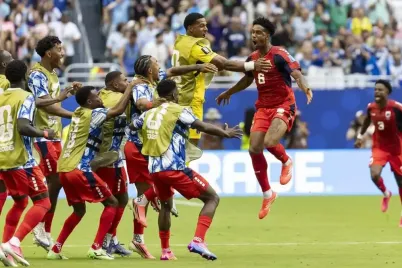

The 2026 FIFA World Cup Group C narrative takes a compelling turn this weekend as five-time world champions Brazil prepare to face an immensely spirited Haiti side. Scheduled for Saturday, 20 June 2026, with a kick-off time of 01:30 BST, this highly anticipated encounter will unfold under the floodlights of the Philadelphia Stadium in Pennsylvania. For the South American heavyweights, the fixture represents an absolute necessity to secure maximum points and properly ignite their stuttering tournament campaign. Conversely, for the Caribbean nation, stepping onto the pitch against international football’s most iconic team offers a generational opportunity to capture the imagination of the global sporting public and register a historic upset.
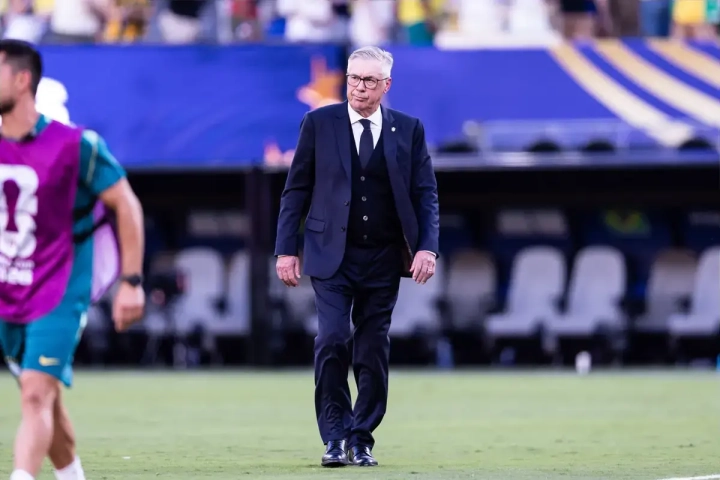
Arriving in North America heavily burdened by the immense expectation of ending a 24-year wait for global supremacy, Brazil endured a frustrating opening assignment. Carlo Ancelotti’s star-studded squad was held to a fiercely contested 1-1 draw by a relentless Moroccan outfit in their first group-stage match. While the Seleção dominated early possession statistics and dictated the initial tempo, they frequently found themselves vulnerable to rapid North African counter-attacks. It required a moment of sheer, unadulterated individual brilliance from Real Madrid winger Vinícius Júnior to salvage a point, masking an otherwise disjointed collective performance. Sitting third in Group C, two points adrift of early pacesetters Scotland, Brazil are acutely aware that a significant tactical and psychological improvement is required to assert their dominance on the group. The legendary Italian tactician was brought in specifically to instil a winning mentality and pragmatic edge to a squad historically defined by its flair. Navigating this fixture without succumbing to the creeping anxiety of the global spotlight will serve as a crucial test of his managerial influence.
Compounding Ancelotti’s early tournament headaches is the confirmed absence of talismanic forward Neymar. The veteran playmaker missed the opening fixture due to a lingering calf injury sustained during the final preparation camp and has been officially ruled out of the clash in Philadelphia. He remains at the team’s base to continue his intensive rehabilitation. Without their creative fulcrum, the attacking burden falls squarely onto the shoulders of Vinícius Júnior, Raphinha, and centre-forward Igor Thiago. Furthermore, the manager faces crucial, defining decisions regarding his defensive and midfield structures. Right-back Roger Ibañez and holding midfielder Casemiro both struggled to match the intense physical tempo of the opening match and were subsequently substituted at half-time. Experienced alternatives such as Danilo and Fabinho are widely tipped to be drafted into the starting eleven to provide much-needed stability, defensive awareness, and midfield composure. Goalkeeper Alisson Becker, who enjoyed a relatively quiet evening against Morocco despite conceding, will need to remain acutely alert to the threat of Haiti’s direct, looping crosses and rehearsed set-piece routines.
Across the tactical divide stands a Haitian national team whose very presence at the 2026 FIFA World Cup is a profound testament to human resilience. Making their first appearance at the global showpiece since 1974, Les Grenadiers navigated a remarkably arduous qualification campaign. Due to severe political instability and a relentlessly unfolding domestic security crisis, the squad was forced to play every single qualifying match away from home, entirely deprived of their passionate local support. Remarkably, French head coach Sébastien Migné has guided the team to the promised land without ever setting foot in the Caribbean nation himself, instilling a deep sense of unity and tactical discipline within the travelling squad.
Haiti’s highly emotional return to the World Cup stage culminated in a narrow, battling 1-0 defeat to Scotland in Boston. Undone only by a clinical first-half strike from John McGinn, Migné’s men flatly refused to be intimidated by their experienced European opposition. They exhibited immense tactical discipline and carried a genuine attacking threat throughout the ninety minutes, finishing the match with 15 shots and matching Brazil’s opening-day tally of 22 touches inside the opposition penalty area. Defender Hannes Delcroix delivered a masterclass in composure at the back, successfully completing all 66 of his attempted passes while dominating his defensive clearances and duels. In the closing stages, towering forward Frantzdy Pierrot came agonisingly close to securing a historic equaliser, a moment that definitively proved the Caribbean side possess the physical and technical attributes to belong at this elite level.
The stylistic contrast between the two nations promises a fascinating tactical chessboard. Brazil will inherently seek to monopolise the ball, utilising intricate passing triangles in the wide areas to isolate the Haitian full-backs and stretch the defensive block. Bruno Guimarães and Lucas Paquetá must quickly establish a fluid rhythm in the central midfield zones to prevent the stagnant, lateral passing sequences that severely plagued their opening 45 minutes against Morocco.
Conversely, Haiti will look to execute Migné’s meticulously drilled, transition-based blueprint with ruthless efficiency. Operating primarily in a robust 4-4-2 shape out of possession, they are exceptionally adept at absorbing prolonged periods of pressure before springing forward with sudden vertical precision. The midfield engine, driven by the tireless Jean-Ricner Bellegarde, will be tasked with fiercely disrupting the Brazilian playmakers and severing the passing lanes to Vinícius Júnior. When the ball is eventually recovered, the explosive pace of Wilson Isidor and the physical hold-up play of Pierrot will be immediately utilised to exploit any vast spaces vacated by Brazil’s aggressively advancing full-backs. The fitness of veteran striker Duckens Nazon, who has been managing a minor hamstring niggle during recent training sessions, remains the only slight concern for a squad currently brimming with quiet self-belief. Goalkeeper Johny Placide, a veteran presence who currently plies his trade in the United States, will be absolutely pivotal in organising the defensive lines and commanding his penalty area. His vast experience will be strictly required to calm the inevitable nerves of the younger squad members when the Brazilian attacking waves inevitably surge forward.
Anticipated Key Matchups
|
Area of the Pitch |
Brazil Personnel |
Haiti Personnel |
Tactical Significance |
|
The Flanks |
Vinícius Júnior |
Hannes Delcroix & Full-backs |
Vinícius is Brazil’s primary creative outlet. Haiti’s defensive unit must double up to neutralise his elite one-on-one dribbling ability. |
|
Central Midfield |
Bruno Guimarães |
Jean-Ricner Bellegarde |
The battle for possession and tempo control. Bellegarde must disrupt Brazil’s passing rhythm to launch rapid Haitian counter-attacks. |
|
The Penalty Box |
Marquinhos & Gabriel Magalhães |
Frantzdy Pierrot |
A highly physical aerial duel. Brazil’s centre-backs must carefully manage Pierrot’s imposing strength and elite hold-up play during transitional phases. |
Looking purely at historical precedent, the statistical mountain facing Haiti is undeniably steep. Brazil have emerged victorious in all three of the previous international encounters between the two nations, scoring a staggering 17 goals in the process. The most recent competitive meeting occurred a decade ago during the 2016 Copa América Centenario, where the South Americans ruthlessly dispatched Les Grenadiers in a resounding 7-1 victory. However, Migné has been quick to remind his players and the global media that historical statistics bear absolutely no relevance in a one-off, modern tournament fixture, urging his squad to boldly embrace the limelight and dare to dream.
As the passionate travelling supporters converge on the Philadelphia Stadium, the stakes for both nations could scarcely be higher. For Carlo Ancelotti and his Brazilian ensemble, anything less than a comprehensive, commanding victory will dramatically escalate the mounting media pressure ahead of a perilous, potentially decisive final group-stage clash against Scotland. For Haiti, simply sharing the pitch with the five-time world champions represents the glorious realisation of a lifelong dream for the players and their embattled homeland. Yet, having already demonstrated their fierce competitive edge and tactical organisation, they step onto the American turf not just to passively make up the numbers, but to actively chase a moment of footballing immortality.