
The sprawling architecture of the Boston Stadium in Foxborough, Massachusetts, will provide a spectacular modern backdrop for a pivotal Group L encounter at the 2026 FIFA World Cup. Scheduled to kick off at exactly 21:00 BST on Tuesday, 23 June 2026, this highly anticipated fixture pits European heavyweights England against an incredibly resilient Ghanaian side. Following an exhilarating opening round of matches where both nations emerged victorious, the primary objective is clear: secure three points and book a definitive place in the newly expanded Round of 32. Navigating the intense summer humidity of the American East Coast, both managers will be acutely aware that an early grip on the group standings affords them the luxurious opportunity to rotate their squads during the final matchday.
Arriving in North America heavily tipped as genuine title contenders, the Three Lions commenced their campaign with a thrilling, albeit slightly chaotic, 4-2 triumph over a familiar Croatian outfit. Situated in Arlington for their tournament opener, Thomas Tuchel’s side exhibited a dazzling array of attacking prowess that comfortably masked a few glaring defensive frailties. While the German tactician publicly expressed his dissatisfaction with a disjointed first-half performance, the sheer volume of high-quality chances created in the second period was genuinely frightening.
Statistically, the European giants were a formidable force during Matchday 1. Excluding penalties, they generated the highest expected goals (xG) and recorded the most shots on target from set-piece situations across the entire tournament. Spearheaded by the relentless creativity of Jude Bellingham and the direct running of Marcus Rashford, they carved through the Croatian lines with alarming ease. Furthermore, midfielder Elliot Anderson showcased remarkable tenacity in the engine room, winning possession eight times—a testament to his aggressive pressing metrics under the current regime.
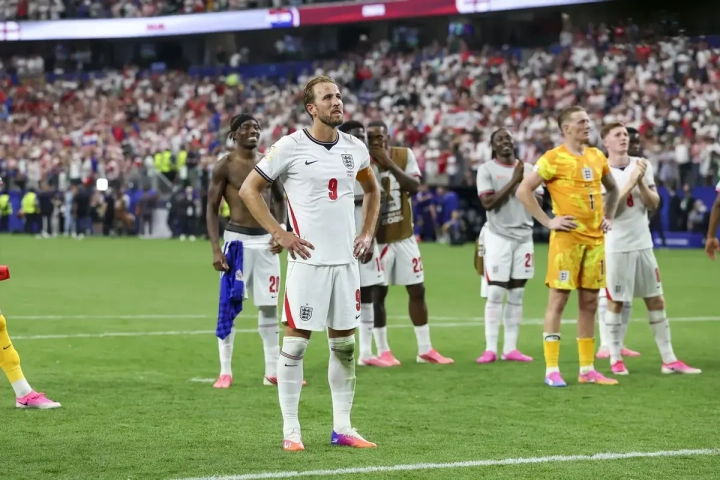
At the absolute focal point of this offensive machinery stands Harry Kane. The talismanic striker calmly dispatched two goals in the opening fixture, bringing his total World Cup tally to ten. Finding the net against the Black Stars on Tuesday evening would see him definitively overtake Gary Lineker to become England’s outright all-time leading goalscorer in the competition. Accompanied by the dynamic Bukayo Saka and Eberechi Eze, the captain will be eager to relentlessly test an opposition backline that required every ounce of their concentration to secure an opening-day clean sheet. Should Jordan Pickford and John Stones take to the field as expected, both veterans will remarkably record their fourteenth World Cup appearances for the national team.
Standing firmly across the tactical divide is a Ghanaian national team brimming with quiet confidence and renewed belief. Guided by the vastly experienced Carlos Queiroz, the West African representatives navigated a gruelling, intensely physical 1-0 victory over Panama in Toronto. For large swathes of the first half, the Central Americans completely dominated possession, forcing the Black Stars to rely heavily on the outstanding reflexes of goalkeeper Lawrence Ati Zigi. The custodian commanded his penalty area with supreme authority before a painful collision forced his premature substitution just before the interval, leaving his availability for this crucial clash hanging in the balance.
Benjamin Asare bravely stepped into the breach, and the entire squad responded with significantly heightened intensity during the second forty-five minutes. Their collective determination was spectacularly rewarded deep into the fifth minute of stoppage time. A rapid, clinical counter-attack initiated by Brandon Thomas-Asante culminated in a precise pass to Caleb Yirenkyi, who calmly slotted home his maiden international goal to seal a famous victory. The dramatic triumph drew Ghana level with Nigeria as the African nations possessing the highest number of FIFA World Cup wins in history.
Operating within Queiroz’s notoriously disciplined framework, the squad relies heavily on relentless work rate and structural solidity. Veteran forward Jordan Ayew epitomised this ethos against Panama, recording a staggering 69 high-intensity pressures, the most of any striker in the opening round, despite recently becoming the oldest Ghanaian ever to feature at a World Cup. Accompanied by the blistering pace of Iñaki Williams and Antoine Semenyo, the attacking unit is perfectly designed to mercilessly punish any momentary lapses in concentration on the break.
Anticipated Tactical Battlegrounds
When analysing the granular details of this impending matchup, a fascinating clash of overarching footballing philosophies immediately emerges. Tuchel will naturally demand that his side monopolises possession, constructing patient, intricate passing networks to systematically manipulate the opposition’s defensive block. Through the overlapping runs of his full-backs and the creative ingenuity of Bellingham, they will actively attempt to create numerical overloads in the wide channels. The primary goal is to stretch the pitch, deliberately forcing the Ghanaian defence to expand and creating central pockets of space for Kane to operate within.
Conversely, the African contenders will likely embrace a highly pragmatic, reactive posture. Acknowledging their opponents’ elite technical superiority, Queiroz will instruct his team to remain incredibly compact, completely denying the English playmakers any inviting spaces between the lines. Deploying a rigid low block, the tactical focus will remain purely on systematic frustration and stubborn containment.
|
Area of the Pitch |
England Key Figure |
Ghana Key Figure |
Tactical Significance |
|
The Penalty Box |
Harry Kane |
Abdul Mumin & Jerome Opoku |
Elite movement and finishing against disciplined central defending. Ghana must neutralise Kane’s aerial threat from set-pieces. |
|
Central Midfield |
Jude Bellingham |
Elisha Owusu & Thomas Partey |
A monumental battle for creative control. Bellingham must break the lines, while the Ghanaian pivot is tasked with aggressive disruption. |
|
The Flanks |
Bukayo Saka |
Abdul Rahman Baba |
Saka’s elite dribbling ability against seasoned defensive positioning. Controlling the wide channels is absolutely paramount for both sides. |
Historical Context and Storylines
Encounters between these two distinct footballing cultures are exceptionally rare, adding a wonderful element of sheer unpredictability to the proceedings. In fact, they have only crossed paths on one previous occasion at the senior international level. That solitary meeting occurred during a highly entertaining March 2011 friendly at Wembley Stadium. On that specific occasion, a first-half strike from Andy Carroll was dramatically cancelled out by a stoppage-time equaliser from Asamoah Gyan, resulting in a 1-1 draw in front of a passionate 80,000-strong crowd.
While that historical footnote provides little tangible insight into the modern tactical landscape, broader tournament statistics offer a compelling narrative. England currently boast a completely flawless unbeaten record against African teams at the FIFA World Cup. Across eight previous encounters against nations from the continent, they have recorded five victories and three draws. Tuesday’s clash represents their eighth different African opponent on the global stage, further extending a unique statistical record.
For Carlos Queiroz, the fixture offers a profound opportunity for personal redemption. The Portuguese manager suffered his heaviest-ever defeat as a head coach at the World Cup against England during the 2022 group stages, where his Iran side was ruthlessly dismantled in a 6-2 thrashing. He will be absolutely desperate to orchestrate a vastly improved outcome against the European giants this time around.
Furthermore, the venue itself holds a quirky piece of historical significance. This will be just the second time that the English national team has ever played a fixture in the Boston area. Their prior visit occurred over three decades ago in June 1993, ending in a deeply frustrating 2-0 friendly defeat to the United States under the management of Graham Taylor.
The Final Word
As the vibrant, deeply passionate supporters from both nations converge on the impressive architecture of the 65,000-capacity Boston Stadium, the extensive theoretical planning and exhaustive video analysis will immediately give way to raw, competitive tournament survival. For the seasoned European heavyweights, the evening provides a golden opportunity to definitively assert their dominance, showcase their attacking brilliance for a full ninety minutes, and firmly justify their status as genuine knockout contenders.
For the ambitious African challengers, it represents another monumental test of character against elite international opposition. Millions tuning in across the world can readily anticipate a fiercely contested, high-stakes encounter where fleeting moments of individual genius, unwavering tactical discipline, and sheer mental resilience will ultimately separate the victors from the vanquished. With the punishing reality of Group L looming menacingly over the result, and a place in the knockout stages tantalisingly close for the winner, fans are guaranteed a genuinely compelling spectacle.