
People who have experienced a stroke caused by bleeding in the brain are being invited to take part in a major research study, being supported by the Royal United Hospitals Bath NHS Foundation Trust, which aims to improve future care.
The ASPIRING study is looking at whether medications such as aspirin or clopidogrel, commonly used to thin the blood to prevent blood clots, can help prevent further strokes, heart attacks and other serious conditions in people who have had a brain haemorrhage.
Researchers are inviting patients who have had this type of stroke who and are not currently taking blood-thinning medication to consider taking part.
After a brain haemorrhage, people remain at risk of further health problems, including another stroke or heart attack and around one in 10 patients experience one of these issues each year.
Medicines like aspirin and clopidogrel are widely used to reduce blood clots, but researchers want to find out whether the benefits outweigh the small increased risk of bleeding for people who have already had a brain haemorrhage.
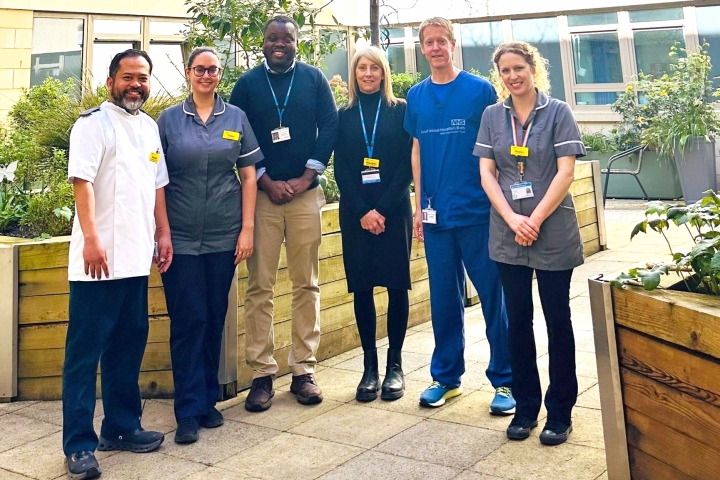
Darwin Catibog, RUH Stroke Research Nurse, said: “This is a really important study that we hope will improve how people recover after a bleed in the brain.
“We’re recruiting now, so if you have had this type of stroke in the past and would like to join the trial, please get in touch.”
ASPIRING is a randomised controlled study. Participants are placed into one of two groups – one group will start taking aspirin or clopidogrel, while the other group will not start these medicines.
Researchers will follow participants’ health for up to five years to understand which approach leads to better outcomes. For more information and to sign up, visit the study website: http://ASPIRING.ed.ac.uk/ You can also contact the RUH’s Stroke Research team on 01225 824120 or ruh-tr.strokeresearch@nhs.net
The ASPIRING study is funded by the British Heart Foundation and is being run by The University of Edinburgh and NHS Lothian.
Over the last year, the RUH has been involved with over 300 studies, opening 54 new studies and recruiting 4,840 participants to the portfolio of trials.