
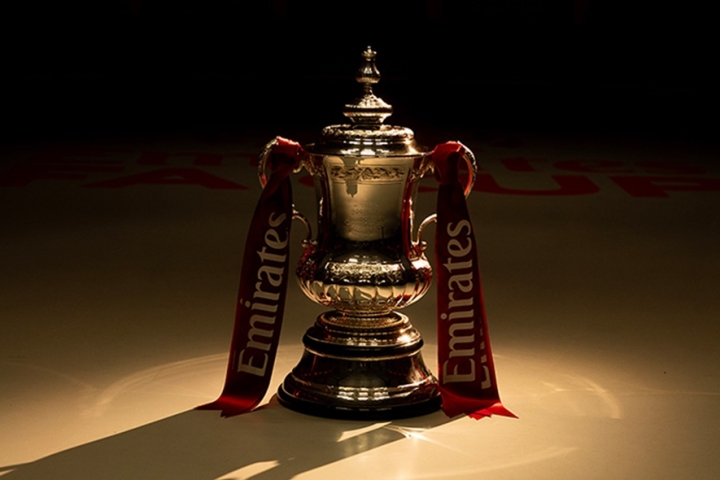
Saturday night at Anfield brings a fourth-round FA Cup tie that feels far more loaded than a typical “Premier League vs Premier League” cup date, with Liverpool welcoming Brighton & Hove Albion for an 8pm kick-off and a place in the fifth round at stake. The setting is familiar, the stakes are immediate, and the context around both squads adds a layer of intrigue: one side managing a mounting injury list while trying to keep multiple objectives on track, the other arriving with cup momentum from a statement win in the previous round but league form that has recently been harder to steady.
Confidence on Merseyside is anchored by a gritty away win in the most recent match played in any competition, a 1–0 Premier League victory at Sunderland on Wednesday 11 February. Virgil van Dijk’s second-half header settled it, with Mohamed Salah supplying the delivery, and the result ended Sunderland’s unbeaten home league run this season. It was the kind of performance that can be valuable at this stage of a campaign: controlled in long stretches, decisive from a set piece, and professional enough to navigate a tricky atmosphere, even if it arrived with a significant downside in the shape of an injury that now hangs over this cup weekend.
That concern centres on Wataru Endo, who went off injured at the Stadium of Light and has been ruled out for a long spell with an ankle injury, a blow that bites even harder given the broader defensive availability issues already in play. Arne Slot has also spoken this week about the need for careful load management in a congested schedule, noting existing absentees including defenders Giovanni Leoni, Conor Bradley and Jeremie Frimpong, while also acknowledging that academy options may come into the conversation as the staff try to strike the balance between freshness and strength. Even without guessing the starting XI, the message is clear: selection will be shaped as much by who is available and how bodies are coping as by any desire to rotate for rotation’s sake.
Brighton’s most recent outing carried a very different emotional aftertaste. A 1–0 Premier League defeat at Aston Villa on the same midweek evening ended with late frustration, settled by a Jack Hinshelwood own goal that left the Seagulls with nothing to show for a game that remained tight deep into the second half. It was the kind of result that can drain confidence during a tricky run, yet cup football has offered a contrasting narrative for Fabian Hürzeler’s side this season, and their route to this stage underlined their ability to deliver when the spotlight is brightest.
The third round produced exactly that kind of statement, with Brighton winning 2–1 away at Manchester United to book their place in the fourth round. Brajan Gruda opened the scoring and Danny Welbeck added a second, with United pulling one back late in a match that still finished with the visitors celebrating a significant away scalp. That win matters in the context of a trip to Anfield because it demonstrates the one thing cup ties often hinge on: the ability to take key moments, stay organised, and handle pressure when the stadium expects you to fold.
Team news offers Brighton a small but meaningful lift. The club has confirmed there are no new injury concerns ahead of the trip, with Mats Wieffer available again and Jan Paul van Hecke fit to start, while Yasin Ayari remains out as he continues his rehabilitation. Availability doesn’t guarantee performance, but it does expand the options for a side that has at times had to patch together solutions in midfield and defence, and it helps explain why the visitors will feel this tie is an opportunity rather than simply an ordeal.
From a “players in form” perspective, Liverpool’s latest match provides a natural headline: Van Dijk arriving to decide a game at a critical moment, with Salah once again supplying the quality from wide areas that can break even disciplined structures. The broader attacking threat remains obvious, but the key for this cup night may be less about volume and more about sharpness—turning pressure into goals before the contest becomes nervy and the underdog’s belief grows. For Brighton, Welbeck’s contribution at Old Trafford remains the standout recent cup note, while Gruda’s opening goal in that tie underlines a capacity to land a first punch even in hostile surroundings. With Wieffer back and van Hecke available, there is also the prospect of greater stability in the spine, which can be crucial if the plan is to stay compact, survive the early waves and then pick moments to break.
All the ingredients point toward a match shaped by control, concentration and game state. An early breakthrough would suit the hosts, allowing them to dictate the pace and protect legs in a demanding period, while a tight first hour would suit Brighton, inviting the kind of tension Anfield can generate when a cup tie refuses to behave. The format adds the final edge: there is no replay, so if it’s level after 90 minutes, extra time and penalties will settle it on the night. That reality tends to change behaviour—risk calculations, substitutions, and the willingness to commit numbers forward—making this a tie where one clean set piece, one transition, or one lapse in focus could swing the entire narrative in a matter of seconds.