
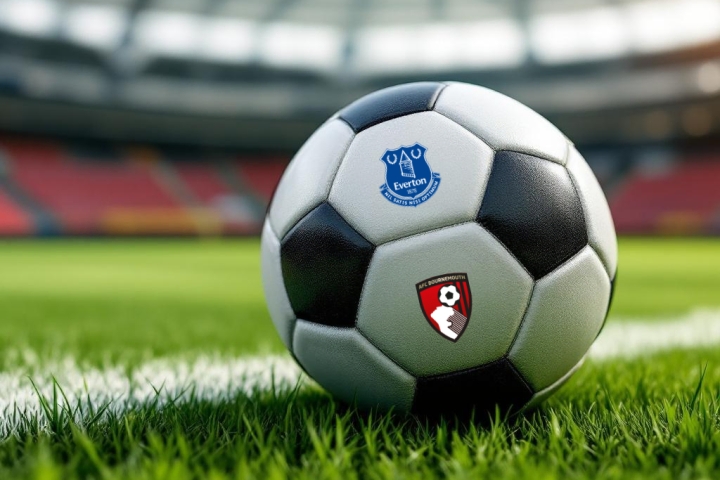
Everton welcome Bournemouth tonight with both sides arriving in encouraging shape, albeit for different reasons, and with the table offering a subtle reminder that the Premier League rarely allows anyone to relax for long. A strong run has pushed Everton into the top-half conversation and turned their home ground into a genuine weapon again, while Bournemouth have begun to pair their attacking intent with improved defensive control, making them a difficult opponent even when the performance isn’t at full throttle.
The build-up for David Moyes’ side is driven by momentum and belief, especially away from home. Their last match brought another lift, winning 2–1 at Fulham on 7 February after falling behind, with second-half goals from Kiernan Dewsbury-Hall and a late own goal completing the turnaround. That result extended an unbeaten run that has quietly transformed the mood around the squad and reinforced a familiar Moyes theme: stay in the game, raise the intensity late, and trust that pressure will eventually tell. The most impressive part has been the consistency of their “finishing stretch” in matches, repeatedly looking stronger after the hour rather than fading.
Bournemouth arrive with a slightly different form line, but one that still carries confidence. The last outing ended 1–1 at home to Aston Villa, a performance that showed discipline against one of the league’s leading sides and confirmed they can manage difficult spells without losing their threat. That followed a significant away win at Wolves and the headline-grabbing victory over Liverpool earlier in the run, and it all points to a team that has rediscovered its identity—high-energy when the moment is right, but increasingly capable of seeing games out when they need to protect a result.
There’s a recent head-to-head angle too, because this isn’t unfamiliar territory. Everton won 1–0 at Bournemouth in early December, a tight game decided by small margins, and it offers a useful reference point for what this might become again: two organised sides, one or two defining moments, and long spells where territory doesn’t automatically turn into clear chances. The difference now is that both teams arrive with more confidence in their late-game execution than they had a couple of months ago, which raises the likelihood of a dramatic final half-hour.
Team news is likely to feature prominently, and Everton have one confirmed blow. Jack Grealish has been ruled out for the rest of the season after undergoing surgery on a foot stress fracture, a major loss given his creative output and ability to carry the ball into dangerous areas. The upside for Moyes is that the wider squad availability looks healthier than it has been, though workloads are being monitored for players recently back from injury, with Jarrad Branthwaite managed carefully in recent weeks. Selection may therefore be shaped as much by minute-management as by outright availability, especially with fixtures coming thick and fast.
Bournemouth’s absences are more concentrated in key attacking and midfield areas, and they continue to test Iraola’s depth. Long-term issues remain for Tyler Adams, Marcus Tavernier, Justin Kluivert, Ben Doak and Julio Soler, limiting rotation and removing some of the ball-carrying and creativity that can change a match-state quickly. Even so, the Cherries have adapted well, leaning into structure, direct running, and quicker combinations when they reach the final third rather than relying on one creator to unlock the door.
Form players offer a clear sense of where the danger might come from. Dewsbury-Hall has become a key figure in Everton’s recent surge, arriving late into the box, striking cleanly from range, and adding a goal threat from midfield that makes them harder to defend. The platform behind him has also looked steadier, with Everton’s ability to protect leads—or to chase them without losing shape—improving noticeably across this unbeaten spell. Bournemouth’s headline threat remains Eli Junior Kroupi, whose movement and finishing have repeatedly turned half-chances into goals, while the supporting cast has shown it can step up when injuries bite, whether through late arrivals, set-piece pressure, or decisive actions in transition.
Tactically, this shapes up as a battle between Everton’s territorial pressure and Bournemouth’s ability to resist and then counter with purpose. Expect the hosts to push the tempo early, using the crowd and home energy to force Bournemouth into longer defensive phases. The visitors are comfortable absorbing pressure when organised, and will look to break quickly into the channels when Everton commit bodies forward. That makes the “moments after turnovers” especially important—one sloppy pass or one mistimed press can turn a safe situation into a chance at the other end.
Set-pieces and second balls could be decisive. Everton under Moyes are always dangerous when they can sustain pressure and win corners, while Bournemouth have improved at defending their box but will know they can’t afford lapses in concentration, particularly late on. If the match stays level into the final 20 minutes, it may become a test of nerve as much as quality: Everton have been finishing games strongly, while Bournemouth have shown they can stay calm and take points even when the game isn’t flowing.
With both sides trending upward and both carrying absences that could influence how adventurous they feel, this looks like a fixture likely to be decided by one big moment rather than long domination. If Everton land the first goal, they can turn it into a controlled home night built on pressure and game management. If Bournemouth strike first, the contest opens into a more transitional battle—exactly the type of game where their pace and directness can become a problem. Either way, it has all the ingredients of a tight Premier League evening where composure, timing, and late-game sharpness decide the story.