
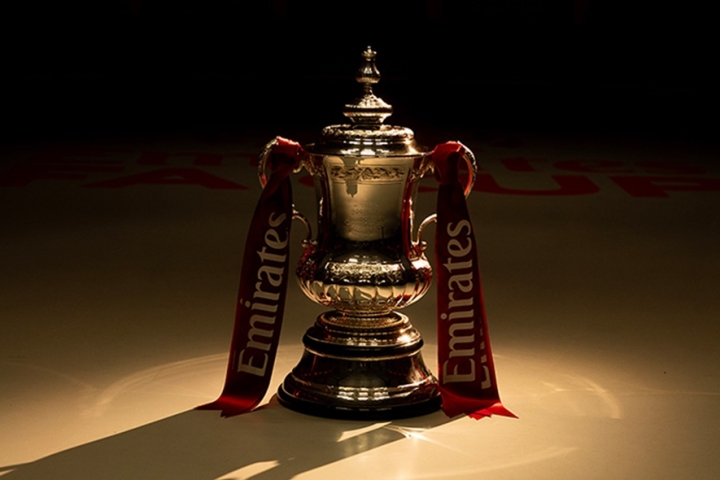
Southampton produced one of the standout results of the FA Cup season as they defeated Arsenal 2–1 in a gripping quarter-final encounter at St Mary’s Stadium, a result that sent shockwaves through the competition and ended the visitors’ hopes of domestic cup success. In a match filled with intensity, momentum swings and decisive moments, the Championship side showed courage, organisation and belief to overcome one of the Premier League’s strongest teams, earning a place in the semi-finals and writing another memorable chapter in their storied FA Cup history.
The atmosphere before kick-off hinted at something special. Southampton supporters filled the stadium with a sense of anticipation and nostalgia, with the club marking the anniversary of their famous 1976 FA Cup triumph. That sense of history seemed to inspire both the players and the crowd, creating an environment that immediately put Arsenal under pressure. For the visitors, the match represented an opportunity to bounce back from recent disappointment and keep alive their ambitions of lifting silverware. Instead, it would become a night defined by frustration and missed opportunity.
Arsenal began the match with confidence, dominating possession in the early exchanges and attempting to impose their usual passing rhythm. Their midfield controlled the tempo, and there were promising signs as they worked the ball into advanced areas. Yet despite their territorial advantage, clear chances proved elusive. Southampton, disciplined and well-organised, maintained a compact defensive shape and looked dangerous on the counterattack, waiting for moments to exploit any lapses in concentration.
The breakthrough came midway through the first half, and it arrived in dramatic fashion. A defensive error from Arsenal proved costly, as hesitation at the back allowed Southampton to seize possession in a dangerous area. The ball was worked forward quickly, and Ross Stewart finished calmly to give the home side the lead. It was a goal that ignited the crowd and shifted the momentum decisively in Southampton’s favour, rewarding their disciplined approach and punishing Arsenal’s lack of composure.
For Arsenal, the setback exposed underlying vulnerabilities. While they continued to dominate possession, their attacking play lacked the sharpness required to break down Southampton’s defence. Passes in the final third were often overhit or intercepted, and attempts from distance failed to test the goalkeeper. The hosts, meanwhile, grew in confidence, pressing aggressively and challenging Arsenal physically in midfield battles.
As the first half progressed, Southampton looked increasingly comfortable. Their defensive organisation limited Arsenal’s options, while their willingness to attack with purpose ensured that the visitors could not commit too many players forward. By the time the halftime whistle sounded, the home side held a deserved lead, and Arsenal faced a significant challenge to turn the game around.
The second half began with renewed urgency from Arsenal. Manager Mikel Arteta made tactical adjustments and introduced fresh attacking options, seeking to inject energy and creativity into his side. The changes appeared to have an immediate effect, as Arsenal began to create more openings and apply sustained pressure on Southampton’s defence. The tempo of the game increased, and for a period it seemed inevitable that the visitors would find an equaliser.
That breakthrough eventually came in the 68th minute and was sparked by one of Arsenal’s substitutes. Viktor Gyökeres, introduced to provide a more direct attacking presence, made an instant impact by finding space in the penalty area and finishing decisively. The goal was a moment of quality that reflected Arsenal’s persistence and raised hopes of a comeback.
With the score level, the momentum swung back in Arsenal’s favour. They pushed forward with greater intensity, seeking to capitalise on their renewed confidence. Southampton, however, refused to be overrun. Instead, they responded with resilience and determination, maintaining their defensive structure while continuing to pose a threat on the break. The match entered a tense phase, with both teams aware that the next goal could prove decisive.
As the game moved into its final stages, Southampton produced the moment that would ultimately define the contest. A swift attacking move caught Arsenal off guard, with the ball being worked into a dangerous position through a combination of pace and creativity. Substitute Shea Charles arrived at the perfect moment to finish the move, sending the home supporters into raptures and restoring Southampton’s lead.
The goal highlighted the hosts’ ability to seize key moments, a quality that often separates winners from losers in knockout football. For Arsenal, it was another example of defensive vulnerability, as they were caught out at a crucial stage of the match. Despite their overall control of possession, such lapses proved costly.
In the closing minutes, Arsenal threw everything forward in search of an equaliser. Their attacks became more direct, with crosses and long balls aimed into the penalty area. Southampton’s defence, however, stood firm under intense pressure. Clearances were made, blocks were thrown in and the goalkeeper commanded his area with confidence. The home side’s determination to protect their lead was evident in every challenge and interception.
When the final whistle sounded, the significance of the result was immediately clear. Southampton’s players celebrated a famous victory, while Arsenal’s squad were left to reflect on a performance that had promised much but ultimately delivered disappointment. The upset not only secured Southampton’s place in the semi-finals but also reinforced the unpredictable nature of the FA Cup, a competition renowned for its capacity to produce dramatic and unexpected outcomes.
In his post-match comments, Southampton manager Tonda Eckert praised his team’s belief and adaptability. He spoke about the importance of balancing defensive discipline with attacking intent, highlighting how his players executed the game plan effectively against a high-quality opponent. Eckert emphasised the collective effort required to achieve such a result, noting that every player contributed to the victory. He also acknowledged the significance of the occasion, suggesting that the team’s connection with the club’s history provided additional motivation.
Eckert was particularly pleased with the impact of his substitutes, including match-winner Charles, whose decisive contribution underlined the depth and unity within the squad. The manager described the performance as a reflection of the team’s growth and resilience, expressing confidence that they can continue to compete at a high level as the season progresses.
Mikel Arteta, by contrast, delivered a frank assessment of Arsenal’s shortcomings. He admitted that defensive errors played a major role in the defeat, pointing out that both goals conceded could have been avoided with greater concentration and organisation. Arteta also highlighted the team’s inability to convert periods of dominance into clear chances, acknowledging that their attacking play lacked the necessary precision in key moments.
Despite the disappointment, Arteta remained focused on the bigger picture. He emphasised the need for his players to learn from the experience and respond positively in upcoming fixtures. The Arsenal manager stressed that setbacks are part of football and insisted that the team must maintain belief as they continue their campaigns in other competitions. However, there was no disguising the frustration in his words, as he recognised the missed opportunity to progress further in the FA Cup.
Players from both sides echoed their managers’ sentiments. Southampton’s squad spoke of their pride in achieving such a significant result, highlighting the unity and determination that have characterised their recent performances. Arsenal’s players, meanwhile, acknowledged the disappointment and accepted responsibility for the errors that contributed to their elimination.
Beyond the immediate result, the match carried broader implications for both clubs. For Southampton, the victory represents a major milestone in their season, boosting confidence and reinforcing their credentials as genuine contenders in the competition. Their ability to defeat a top-tier opponent demonstrates the effectiveness of their tactical approach and the strength of their collective spirit.
For Arsenal, the defeat raises questions about consistency and mental resilience. Having entered the match with high expectations, their inability to deliver under pressure highlights areas that require improvement. While their overall quality remains unquestioned, the challenge now lies in translating that potential into tangible success.
The contest also served as a reminder of the unique appeal of the FA Cup. Unlike league competitions, where consistency over time is the key to success, knockout matches are often decided by moments of brilliance or error. Southampton’s victory encapsulated this dynamic, as they capitalised on opportunities and maintained focus when it mattered most.
As the tournament progresses, Southampton will carry the momentum of this victory into the next round, inspired by the belief that they can continue their remarkable run. Arsenal, meanwhile, must regroup quickly and refocus their efforts on the challenges that lie ahead. The disappointment of elimination will linger, but it also provides an opportunity for reflection and growth.
In the end, the match at St Mary’s was a vivid illustration of football’s unpredictability. It combined tactical battles, individual moments of quality and the emotional intensity that defines cup competitions. Southampton emerged as deserved winners, their performance characterised by resilience, opportunism and unwavering belief. Arsenal, despite their dominance in possession, were undone by crucial mistakes and a lack of cutting edge.
The story of this encounter will be remembered not only for the result but for the manner in which it unfolded. It was a night when determination overcame expectation, when underdogs rose to the occasion and when the magic of the FA Cup was on full display.