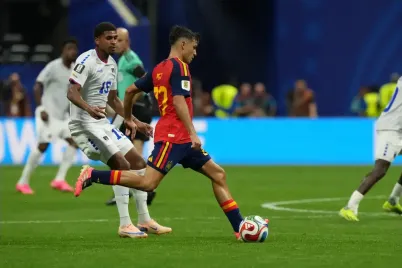

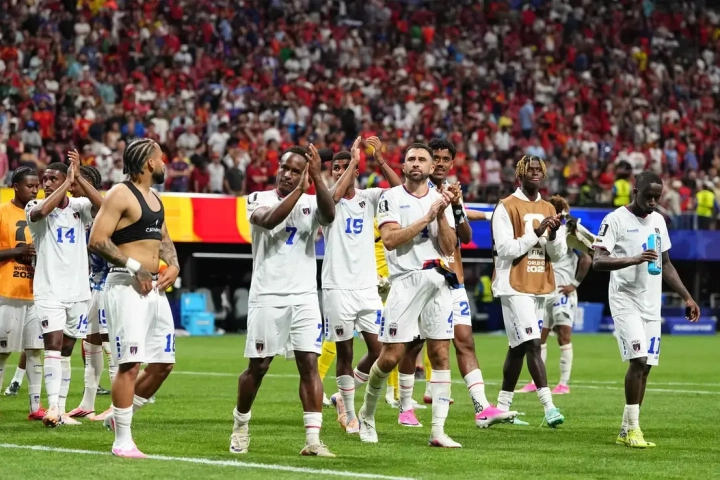
The 2026 FIFA World Cup has already delivered a wealth of compelling narratives, and Group H is rapidly shaping up to be one of the tournament’s most unpredictable brackets. On Sunday, 21 June 2026, the global footballing focus will shift to the sweltering heat of Florida, as two-time world champions Uruguay prepare to face tournament debutants Cape Verde. Scheduled for a 22:00 BST kick-off, this crucial Matchday 2 encounter will take place beneath the spectacular canopy of the Miami Stadium in Miami Gardens. Following an opening round characterised by tense stalemates, this fixture has transformed from a seemingly routine group-stage clash into a potentially definitive battle for knockout round survival.
Group H Permutations and the Pressure Cooker
Arriving in North America, the overarching expectation was that the established footballing heavyweights would swiftly assert their dominance over the group. However, the reality of the opening matchday proved entirely different. While drafting this article, all four competing nations, Uruguay, Cape Verde, Spain, and Saudi Arabia, sit completely deadlocked on a single point apiece following a pair of highly unexpected draws.
Consequently, the margin for error has effectively evaporated. In the expanded 48-team tournament format, securing a top-two finish or emerging as one of the best third-placed teams is essential for reaching the newly introduced Round of 32. Claiming all three points in Miami would immediately catapult either side to the summit of the group standings, drastically easing the suffocating pressure ahead of their respective final group fixtures. Conversely, suffering a defeat would leave the vanquished nation staring down the barrel of a disastrous, premature exit from international football’s grandest stage.
La Celeste: Searching for a Clinical Edge
Carrying the immense historical weight of fourteen previous World Cup campaigns, the South American giants arrived at the tournament eager to banish the lingering memories of their disappointing group-stage exit in Qatar four years ago. Under the meticulous, famously demanding stewardship of head coach Marcelo Bielsa, the squad has undergone a significant tactical evolution, transitioning into a high-intensity, possession-oriented unit.
Yet, their opening 1-1 draw against Saudi Arabia highlighted a familiar, frustrating inefficiency in the final third. Despite dominating the tempo, recording a staggering 67 percent possession, and unleashing 22 shots during the second half alone, they fundamentally failed to convert their overwhelming territorial advantage into a decisive victory. Grinding out results has become a recurring theme for Bielsa’s men, who have now drawn four of their last five international fixtures, frequently struggling to break down disciplined defensive blocks.
Addressing this glaring lack of cutting edge will be the primary focus for the coaching staff ahead of Sunday’s clash. The tactical system relies heavily on a dynamic midfield trio capable of controlling the rhythm and distributing the ball with piercing accuracy. Manuel Ugarte operates as the combative anchor, tasked with regaining possession and swiftly feeding the creative talents of Federico Valverde and Rodrigo Bentancur. Further forward, the heavy burden of goalscoring expectation falls squarely onto the shoulders of Darwin Núñez. The powerful striker, who boasts 13 goals in 38 international appearances, serves as the undisputed focal point of the attack. His elite physical profile and rapid pace will rigorously test an opposition defence that has yet to face a forward of his specific calibre on the global stage.
The Blue Sharks: A Historic Debut
Standing across the tactical divide is a nation currently riding an unprecedented wave of sporting euphoria. Making their very first appearance at a FIFA World Cup finals, the African representatives have already earned enormous international respect by producing one of the standout stories of Matchday 1. Securing a stunning 0-0 draw against European heavyweights Spain, they emphatically announced their arrival on the world stage and proved they are far more than mere tourists making up the numbers.
Guided by the astute tactical mind of manager Rui Águas, the squad showcased a masterclass in defensive organisation and collective discipline against the Spanish. Arranged in a compact, rigid block, they systematically denied their illustrious opponents any meaningful space in central areas, frustrating sustained periods of possession. While their pre-tournament form was slightly mixed, including a concerning 3-0 friendly defeat to Bermuda, their competitive resilience remains their greatest asset. During their impressive qualifying campaign, they registered five victories and a draw, demonstrating a solid foundation that translates effectively to tournament football.
Offensively, the team heavily relies on rapid, vertical transitions to threaten the opposition. Veteran forward Ryan Mendes, possessing 98 international caps and 22 goals, offers a vital source of leadership and creative ingenuity. Partnered with the emerging talent of Dailon Livramento, who has enjoyed a prolific spell of form leading up to the tournament, the attacking unit is highly capable of punishing defensive lapses on the counter-attack.
Tactical Battlegrounds
When analysing the granular details of this impending matchup, a fascinating clash of overarching footballing philosophies immediately emerges. The South Americans will naturally seek to monopolise the ball, constructing patient passing networks to manipulate the opposition’s defensive structure. Through the relentless overlapping runs of their full-backs, they will attempt to stretch the pitch, creating pockets of central space for Valverde and Bentancur to exploit.
In stark contrast, Águas will likely embrace a pragmatic, reactive posture. Acknowledging their opponents’ technical superiority in sustained possession, the debutants will instruct their team to remain incredibly tight, deliberately congesting the middle of the park.
The battle within the engine room promises to be particularly decisive. The contest between Ugarte and the opposing central midfield pairing of Jamiro Monteiro and Deroy Duarte will go a long way in dictating the overall flow of the match. The African duo, who combined for 85 caps during the qualifying process, are renowned for their discipline rather than expansive creativity. If Ugarte can quickly bypass their pressing triggers, he will unlock the vital spaces required for his teammates to drive forward.
|
Area of the Pitch |
Uruguay Key Figure |
Cape Verde Key Figure |
Tactical Significance |
|
Central Midfield |
Manuel Ugarte |
Jamiro Monteiro |
A fierce battle for tempo control. Ugarte must break the lines, while Monteiro is tasked with aggressive disruption. |
|
The Penalty Box |
Darwin Núñez |
The Central Defence |
Elite physical strength against disciplined organisation. Denying Núñez space to turn and shoot is an absolute priority. |
|
The Wide Channels |
Federico Valverde |
Ryan Mendes |
Valverde’s creative passing against Mendes’s pace on the counter-attack. Managing the transitional spaces is crucial for both sides. |
Team News and Availability
Preparations for both camps have fortunately been unhindered by significant medical concerns. Neither side has reported any fresh injury worries or suspension issues following their gruelling opening encounters. This pristine bill of health allows both Bielsa and Águas the luxurious option of selecting their strongest possible starting elevens. Consequently, the outcome in Florida will be decided purely on tactical execution, clinical finishing, and individual brilliance, rather than enforced compromises.
Tournament Storylines and The Final Word
As the vibrant, passionate supporters from both nations converge on the impressive architecture of the Miami Stadium, the extensive theoretical planning will immediately give way to raw, competitive survival. For the seasoned South American powerhouse, it is a golden opportunity to definitively rediscover their clinical edge and justify their pre-tournament status as genuine contenders. They are acutely aware that dropping further points against a debuting nation would plunge their campaign into severe jeopardy before facing Spain.
For the ambitious African challengers, Sunday represents another monumental test of character against elite opposition. Having already demonstrated their fierce competitive edge and remarkable tactical organisation, they step onto the American turf hoping to register a historic victory that would send major shockwaves throughout the global footballing landscape.
Millions tuning in across the world can readily anticipate a fiercely contested, high-stakes encounter where fleeting moments of individual genius, unwavering tactical discipline, and sheer mental resilience will ultimately determine the vital outcome of Group H.