
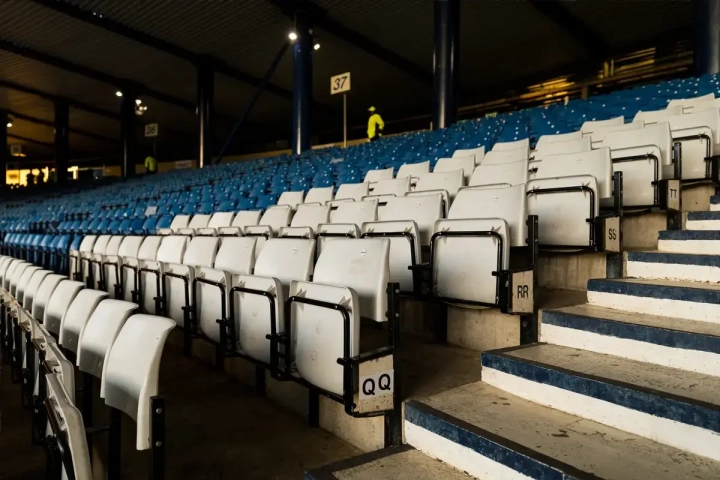
When the opening whistle blew to kick off the 2026 FIFA World Cup, the defining image wasn’t just the action on the pitch. Instead, the global broadcast highlighted glaring patches of empty red seats scattered across Guadalajara’s Estadio Akron.
While the co-hosts Mexico launched the tournament with a passionate, sold-out victory over South Africa at the legendary Estadio Azteca, the reality elsewhere has been starkly different. As the tournament shifts its focus to the United States and Canada, FIFA finds itself grappling with a deeply uncomfortable narrative: exorbitant ticket prices have alienated genuine fans, and across large swaths of the host nations, World Cup fever is noticeably absent.
The Empty Seat Epidemic
The second match of the tournament, a gripping 2-1 comeback victory for South Korea over Czechia, served as the first true litmus test for FIFA’s ticketing strategy. The visual verdict was damning.
🚨 Breaking: So many empty seats were spotted during the South Korea vs Czech Republic World Cup match
Guess why? 👀😭 pic.twitter.com/iSbyMyoC82
— Kara (@UTDKarra) June 12, 2026
Despite FIFA President Gianni Infantino’s claims of “unprecedented” demand, vast sections of the 45,000-capacity stadium in Guadalajara remained unoccupied, particularly in the lower tiers and premium pitch-side hospitality zones. The root cause is difficult to ignore: staggering ticket prices.
For the South Korea vs. Czechia fixture, a match featuring the 25th and 37th ranked teams in the world, lower-tier tickets were priced at an eye-watering $500. This dynamic pricing strategy, actively defended by Infantino on the eve of the tournament, resulted in roughly 180,000 tickets remaining unsold across official resale portals just days before kickoff.
The situation has prompted formal investigations by politicians in New York and New Jersey, with fans complaining about opaque pricing structures and manipulative online queues. The resulting optics are damaging; the atmosphere inside the Estadio Akron was maintained only by the sheer dedication of traveling South Korean fans, while locals were effectively priced out of their own backyard.
The Missing American Buzz
If the empty seats are a symptom of FIFA’s greed, the general apathy in the United States highlights a broader cultural challenge. While pockets of intense fandom exist, particularly in heavily Hispanic areas like Los Angeles, the World Cup is currently losing the battle for the American sporting consciousness.
In New York, the city’s attention is entirely consumed by the Knicks’ dramatic run in the NBA Finals. As one fan on the streets of Manhattan bluntly told the BBC: “To be honest I haven’t really kept up with anything about the World Cup. I don’t care about anything other than the Knicks.”
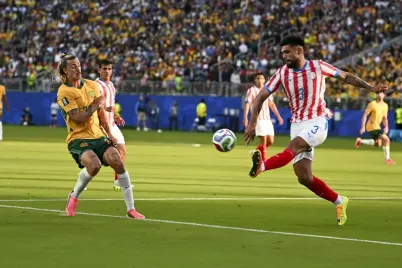
In Los Angeles, where the United States Men’s National Team (USMNT) is preparing to face Paraguay, the buzz remains muted. Traveling Scottish fans, arriving in Boston for their clash against Haiti, have reported interactions with locals who were completely unaware that a World Cup was even taking place.
Even for dedicated American soccer families, the tournament feels inaccessible. The cheapest available ticket for the USA’s opener against Paraguay was reportedly listed at over $1,100, forcing the vast majority of domestic supporters to watch from their living rooms rather than the stadiums.
The US should be expelled from FIFA. Mostly because of the racism, but also bc of this assault on football. What do you mean you are sitting down eating during a match? Souless people in thise stadiums https://t.co/YNs4fuBBMn
— Alonso Gurmendi (@Alonso_GD) June 11, 2026
Mandatory Pauses and Manufactured Spectacle
Compounding the frustrations of traditional football fans is the overt commercialization of the matchday experience.
During the opening match in Mexico City, play was halted midway through the first half for a “hydration break.” While player safety is paramount, the temperature was a mild 23°C (73°F). USMNT coach Mauricio Pochettino openly criticized the mandatory implementation of these breaks, noting they are unnecessary in mild conditions and disrupt the flow of the game.
For broadcasters, however, the three-minute pause provided the perfect window to cut away to lucrative commercials. The break was immediately sponsored by Powerade (a FIFA partner), followed by a barrage of ads for telecom companies, beer, and sports betting platforms. It left many viewers feeling that the rhythm of the sport was being sacrificed at the altar of corporate sponsorship.
The Verdict: Can the Tournament Recover?
There is still time for the 2026 World Cup to capture the imagination of the host nations. A deep run by the USMNT or a series of dramatic knockout stage clashes will inevitably draw casual viewers into the fold.
However, the early warning signs are clear. By adopting a hyper-capitalist approach to ticketing and matchday operations, FIFA risks creating a sanitized, inaccessible tournament. Football’s greatest spectacle should belong to the fans, but right now, too many are being forced to watch from the outside looking in.