
The figures, published today as part of a new quarterly snapshot revealing the fraud threat facing the country, come as official data shows fraud cases in England and Wales have risen 30% since 2017*.
The Scam Index brings together Virgin Media O2’s internal data alongside in-depth consumer research to track how frequently people are targeted, how vulnerable they feel, the impact on victims and whether threats are escalating to provide a complete and up-to-date picture of how criminals are operating.
More than a third of adults have been targeted by fraudsters in recent months
More than a third (36%) of people say they see at least one scam every week, while 1 in 5 (19%) have been informed their personal information has appeared in a data breach, making them more vulnerable to malicious attacks in future.
A third (33%) of those who lost money to scams were left out of pocket, with the average loss reported by victims was over £1,800.
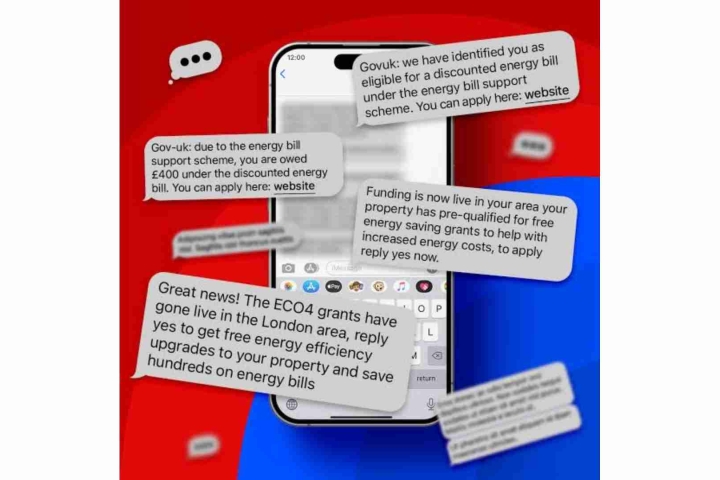
The most common scam trends seen were fake delivery messages (63%), online shopping scams (58%) and fake account suspension messages (56%), showing how scammers use believable requests, realistic websites and urgency to trick victims.
Virgin Media O2 has blocked more than 1.4 billion scam texts to date and is flagging almost 100 million suspicious calls to customers each month before they even answer the phone. In June, the operator flagged more suspicious calls than at any point in its history, warning the public to stay alert.
Almost two thirds of Brits believe the rise of AI has made scams more dangerous (63%), with scams using ‘deepfake’ technology – hyper-realistic images, video or audio depicting people saying or doing things that never happened – being reported by the majority of under 35s (58%) who had seen a scam in the last three months.
Top 10 scams seen (April to June 2026)
- Delivery Scams: Fake Royal Mail / DPD / Evri texts about held parcels, redelivery fees, or tracking updates. (63%)
- Online Shopping Scams: Messages about an order you haven’t placed or fake websites where paid-for items never arrive (58%)
- Account Suspension Scams: Claims your Apple, Microsoft, PayPal, Netflix, Amazon, or social media account will be locked unless you verify details. (56%)
- Banking / Finance Scams: Fake messages claiming to be from your bank or payment provider about suspicious activity or account verification. (49%)
- Tech Support Scams: Messages or calls claiming your device is infected or account compromised, urging you to call support or install software. (48%)
- Prize / Lottery scams: “You’ve won!” messages for competitions you never entered, often requesting fees or personal information. (47%)
- Government / HMRC scams: Fake tax refunds, grants, fines, National Insurance problems, or legal threats claiming to be from HMRC or other government departments. (46%)
- Telecoms Scams: Fake alerts from O2, EE, Vodafone, etc., about bill issues, SIM swaps, or upgrades. (43%)
- Friends / Family Impersonation Scams: Fake profiles, mobile numbers or hacked accounts pretending to be family, friends, colleagues, or verified accounts requesting money or codes. (33%)
- Investment / Crypto Scams: Get-rich‑quick schemes, fake trading platforms, crypto doubling, or bogus celebrity endorsements. (33%)
“We see first-hand how fraud is constantly changing and the devastating impact it can have on victims. We work around the clock to protect our customers, from blocking scam texts to flagging suspicious calls, and we’re doing everything we can to shut out scammers.
“Our new Scam Index will track the threat and help raise awareness of the tactics criminals use, so the public can spot the warning signs before it’s too late. With June a record month for suspicious calls, people should be on high alert.
“Customers can help in the fight against fraud by forwarding suspicious numbers and texts to 7726 for free, with every report helping us shut down scams faster and better protect the public.”
Brits can report suspicious calls and messages by forwarding them to 7726
7726 is a free service available to customers on every UK mobile network which can be used to report suspected scam calls and messages.
By analysing scam messages and calls that customers have reported to 7726, Virgin Media O2 has deep insights into the fraudsters’ tactics. It uses this to investigate and block mobile numbers used by fraudsters, refine blocking services and identify new trends faster in future.