
A Historic Evening in Texas
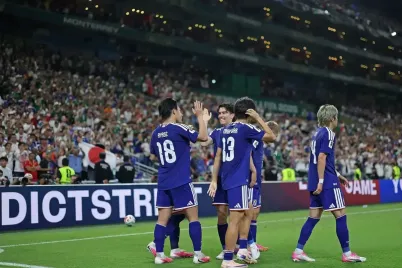
The stifling summer humidity of Texas provided the magnificent stage for one of the most remarkable stories in recent international football history. Kicking off at 01:00 BST on Saturday, 27 June 2026, beneath the brilliant floodlights of the Houston Stadium, Cape Verde and Saudi Arabia engaged in a tense, gripping Group H finale. Following an agonising wait for results elsewhere to conclude, the African islanders held their nerve to secure a 0-0 draw against their Asian counterparts.
For Cape Verde, a nation boasting a population of just over half a million, the final whistle sparked scenes of unprecedented national delirium. By picking up their third consecutive stalemate of the competition, the Blue Sharks defied all expectations to finish as runners-up in Group H, progressing to the Round of 32 in their debut World Cup campaign. In stark contrast, Georgios Donis’s Saudi Arabia side were condemned to a deeply frustrating early exit, finishing bottom of the group with just two points and heading home wondering what might have been.
A Cagey Tactical Standoff
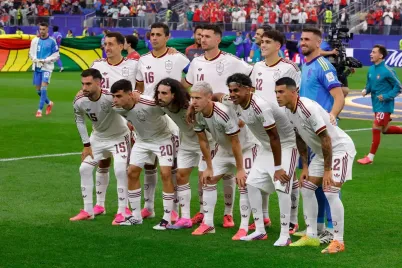
Heading into the highly consequential fixture, both managers were acutely aware of the perilous mathematics dictating qualification. Bubista, the Cape Verde head coach, retained absolute faith in his fluid 4-1-2-3 system, designed to remain resiliently compact out of possession while maintaining a significant threat on the rapid counter-attack. The opposition matched them with a traditional, structured 4-4-2 formation, aiming to seize control of the central areas and supply talismanic captain Salem Aldawsari in dangerous offensive pockets.
From the very first whistle, the encounter was heavily characterised by intense physical battles and a palpable fear of making a catastrophic defensive error. Refereeing leniency was quickly dismissed when Saud Abdulhamid went into the book just four minutes in for a rash challenge. Cape Verde’s Wagner Pina swiftly joined him in the referee’s notebook barely four minutes later, perfectly illustrating the frayed nerves exhibited by both sets of players.
Clear-cut opportunities were predictably scarce during the cautious opening exchanges. Astonishingly, the longest wait for an attempted shot in the entire tournament thus far ended in the 17th minute, when Aldawsari finally saw his close-range effort desperately blocked by Pina. Shortly thereafter, the Blue Sharks began to demonstrate slightly greater attacking adventure. Jamiro Monteiro expertly burst past Abdulhamid on the left flank, sending a low, dangerous drive toward goal that required a sharp save from Saudi goalkeeper Mohammed Al-Owais.
Before the half-time whistle could offer any respite, Donis was forced into an unplanned defensive reshuffle. Centre-back Hassan Altambakti limped off the field in the 32nd minute, seamlessly replaced by Ali Lajami. The sides subsequently entered the dressing rooms locked in a tense, goalless stalemate, fully aware that a single moment of magic or madness would ultimately define their tournament.
Cape Verde Ups the Tempo
Emerging from the interval, the dynamic of the match tangibly shifted. Rather than sitting back and absorbing sustained pressure, the World Cup debutants raced out of the blocks with renewed vigour. Monteiro once again found himself at the heart of the action, latching onto a clever cut-back from Wagner Pina, but his ensuing strike lacked the necessary venom to seriously trouble Al-Owais.
Moments later, the energetic Kevin Pina attempted to break the deadlock from distance. The midfielder unleashed a spectacular, curling 30-yard drive that whistled agonisingly past the upright, leaving the stadium gasping in anticipation.
Recognising that their World Cup survival was slowly slipping away, the Saudi Arabian coaching staff initiated sweeping changes from the touchline. Georgios Donis introduced Musab Al-Juwayr at the break, followed by the double arrival of Mohammed Abu Al-Shamat and Abdullah Al-Hamdan midway through the second half. Bubista matched these tactical manoeuvres blow-for-blow, successfully refreshing his wide areas by introducing Nuno da Costa and Hélio Varela in the 60th minute.
Late Drama and Heroic Goalkeeping
As the clock inexorably ticked down and desperation thoroughly set in, the game finally stretched into an expansive, end-to-end affair. The freshly introduced substitutes instantly made their presence felt. In the 70th minute, a lightning-fast Cape Verdean counter-attack spearheaded by da Costa sliced beautifully through the Saudi midfield. Da Costa released fellow substitute Laros Duarte, who suddenly found himself bearing down one-on-one with Al-Owais. Producing what was arguably the save of the match, the Saudi goalkeeper made himself incredibly big, throwing his body in the way to brilliantly foil the midfielder.
Down the opposite end, the Green Falcons launched a series of desperate aerial assaults. Substitute Abdullah Al-Hamdan found a momentary pocket of space inside the penalty area, but his resulting strike lacked conviction and was comfortably gathered by the ever-reliable Vozinha in the Cape Verde goal.
The unbearable tension reached a boiling point in the closing stages. A brief moment of panic engulfed the African side in the 88th minute when Saudi Arabia prepared to take a potentially decisive corner kick. However, the Video Assistant Referee (VAR) dramatically intervened, overruling the on-field decision and awarding a goal kick instead, much to the profound relief of the blue-clad supporters.
Deep into stoppage time, Garry Rodrigues orchestrated one final opportunity to seal a historic victory. Displaying superb footwork on the right wing, he delivered a precise low cross to da Costa, whose side-footed effort heartbreakingly cleared the far post. Despite a very late yellow card for Firas Al-Buraikan in the dying seconds, the final whistle blew to confirm a goalless conclusion.
Post-Match Scenes and Historic Implications
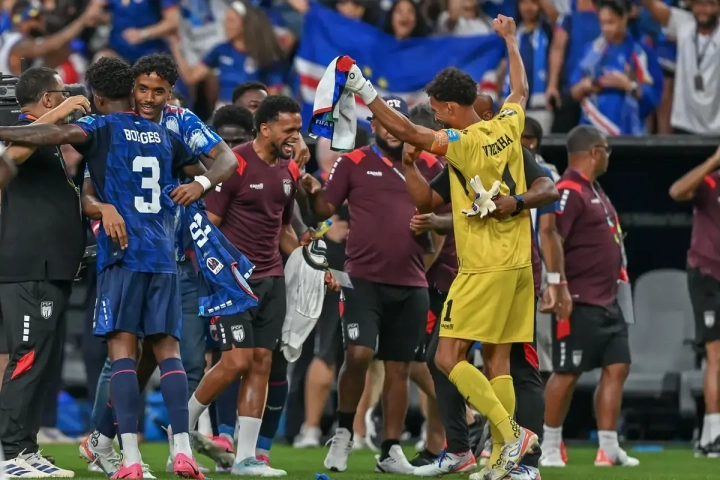
Ordinarily, a 0-0 draw would not trigger scenes of unbridled jubilation, but the final whistle in Houston sparked an outpouring of emotion that will undoubtedly live long in the memory. Cape Verde’s players and backroom staff huddled nervously around mobile phones on the pitch, anxiously watching the closing moments of Spain’s simultaneous victory over Uruguay. Once the European champions’ win was officially confirmed, the stadium utterly erupted.
Against all odds, the islanders finished second in Group H. They proudly became the first nation since Chile at the 1998 World Cup to advance from the group stage after drawing all three of their matches. Earning widespread praise across the globe, Deroy Duarte was named Player of the Match for his tireless, standout performance anchoring the midfield. Goalkeeper Vozinha, whose mother was celebrating enthusiastically in the stands, gleefully took selfies with fans to commemorate his second consecutive tournament clean sheet.
Bubista was triumphantly carried on the shoulders of his players, waving the national flag as they celebrated an unprecedented milestone. The Blue Sharks have successfully captured the imagination of the global footballing community, officially cementing their status as the smallest nation to ever reach the knockout stages. They are now preparing for a glamorous Round of 32 showdown against reigning champions Argentina in Miami on July 3.
For Saudi Arabia, the night ended in profound disappointment. Finishing with two points from three matches, they fell agonizingly short of recreating their magical run to the knockouts in 1994, which coincidentally also took place on American soil. Their glaring inability to fashion clear goal-scoring opportunities ultimately sealed their fate, sending them home while their heroic opponents continue to dream.
Official Match Facts
Goalscorers:
-
Cape Verde: None
-
Saudi Arabia: None
Discipline:
-
Cape Verde: Wagner Pina (Yellow Card, 8′)
-
Saudi Arabia: Saud Abdulhamid (Yellow Card, 4′), Nasser Al-Dawsari (Yellow Card, 67′), Firas Al-Buraikan (Yellow Card, 90+3′)