
A Decisive Midnight Showdown in Missouri
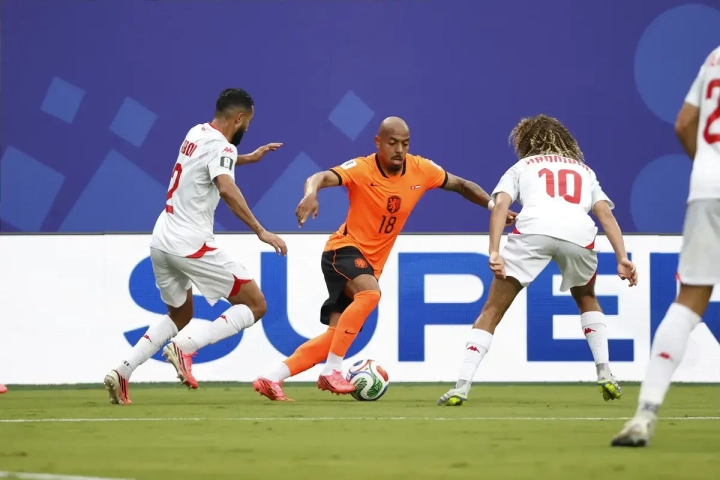
The soggy, highly atmospheric confines of the Kansas City Stadium in Missouri served as the dramatic stage for the culmination of Group F at the 2026 FIFA World Cup. Kicking off at exactly 00:00 BST on Friday, 26 June 2026, the Netherlands produced a thoroughly professional 3-1 victory over a beleaguered Tunisia side. For Ronald Koeman’s European heavyweights, the convincing triumph successfully secured their status as outright group winners, affording them a theoretically more favourable pathway through the newly expanded knockout rounds. Conversely, the North African representatives arrived in the American Midwest with their tournament dreams already completely extinguished following two heavy defeats. Despite showcasing moments of spirited defiance during the second half, the Carthage Eagles were ultimately outclassed, departing the competition without a single point and concluding a genuinely miserable North American campaign.
Tactical Blueprints and Wounded Pride
Heading into the fixture, the stark contrast in team morale was palpable. The Dutch camp was brimming with confidence, having previously accumulated four points and virtually guaranteed their progression. Koeman deployed his preferred, fluid 4-3-3 formation, orchestrating the midfield tempo through the experienced Frenkie de Jong while unleashing the physical prowess of Sunderland forward Brian Brobbey at the apex of the attack. Across the tactical divide, recently appointed Tunisia manager Hervé Renard faced an unenviable psychological rebuilding task. Parachuted into the managerial hot seat just last week after Sabri Lamouchi was unceremoniously sacked following a 5-1 thrashing by Sweden and a subsequent 4-0 capitulation to Japan, the veteran French tactician sought immediate defensive stability. He arranged his side in a pragmatic 5-3-2 structure, instructing his deeply entrenched defensive line to congest the central channels and attempt to frustrate the dynamic European playmakers.
An Early Orange Avalanche
Unfortunately for the passionate travelling contingent of Tunisian supporters, Renard’s carefully laid defensive blueprint was utterly shattered within the opening exchanges. The Netherlands immediately seized the initiative, monopolising territorial possession and ruthlessly exposing the fragile confidence of the African backline. It took merely three minutes for the persistent deadlock to be broken. Flying full-back Denzel Dumfries found a pocket of space on the right flank and fizzed a dangerous, low cross into the penalty area. Attempting to clear the imminent danger, midfielder Ellyes Skhiri suffered a moment of disastrous misfortune, slicing the ball horribly past his own helpless goalkeeper, Aymen Dahmen, to gift the Dutch an early advantage.
Before the North Africans could even process the early setback, they found themselves staring down the barrel of a potential rout. In the seventh minute, the Dutch doubled their lead with a brilliantly executed set-piece routine. Midfield orchestrator Tijjani Reijnders delivered an inviting free-kick towards the back post, where captain Virgil van Dijk rose majestically above his marker. The Liverpool defender intelligently headed the ball back across the face of the goal, perfectly into the path of the lurking Brobbey. The forward required no second invitation, lashing a fierce half-volley home from close range to notch his third goal of the tournament. The lightning-fast double completely deflated the Carthage Eagles, leading to a period of overwhelming Dutch dominance where orange-clad supporters began entertaining themselves with Mexican waves in the stands.
A Glimmer of North African Hope
Despite being utterly outplayed for the majority of the first half, Tunisia miraculously avoided further punishment before the interval. Dahmen produced several outstanding saves, including a brilliant stop to deny Cody Gakpo, ensuring the deficit remained at two goals. Following the break, the Carthage Eagles emerged from the tunnel displaying a renewed sense of purpose and genuine fighting spirit. They began to aggressively press the Dutch midfield, forcing uncharacteristic errors and securing a vital foothold in the contest.
Their sudden resurgence yielded a tangible reward in the 54th minute, injecting a brief flicker of hope into the proceedings. Winning a corner on the right-hand side, creative midfielder Hannibal Mejbri delivered a beautifully flighted cross into the heart of the penalty area. Striker Hazem Mastouri timed his movement to absolute perfection, rising highest amidst a cluster of orange shirts to guide a powerful header past goalkeeper Bart Verbruggen. The goal marked a rare moment of celebration for the North African nation, briefly suggesting a miraculous comeback might be on the cards.
Van Hecke Extinguishes the Rebellion
However, the Dutch response was swift, ruthless, and entirely decisive. Stung by the concession, Koeman’s men immediately elevated their intensity, reasserting control over the midfield battlegrounds. The definitive killer blow arrived just after the hour mark in the 62nd minute, arriving through another meticulously crafted set-piece. Reijnders, who delivered a masterclass in dead-ball delivery throughout the evening, whipped a dangerous corner into the heavily congested six-yard box. Defender Jan Paul van Hecke met the delivery with a glancing header that took a cruel, wicked deflection off unfortunate Tunisian midfielder Anis Ben Slimane on its way into the net.
The third goal definitively broke the Tunisian resistance, completely ending the match as a competitive contest. The Netherlands came agonisingly close to adding a fourth in spectacular fashion moments later, as a majestic, lobbed effort from the exceptional Reijnders rebounded viciously off the crossbar. Tunisia bravely kept pushing for late consolations, with Elias Achouri having penalty appeals waved away for a shirt-pull, and Verbruggen being forced to tip a fierce long-range strike from Hannibal over the bar, but the final outcome was never genuinely in doubt.
Substitutions and Late Game Management
With the three points and the group summit securely locked away, Koeman utilised the closing stages to carefully manage the physical workload of his squad. A flurry of substitutions in the 71st minute saw Memphis Depay, Justin Kluivert, and Crysencio Summerville enter the fray, providing valuable tournament minutes to the deeper reaches of the roster while resting key personnel like De Jong and Reijnders. Later, Noa Lang was introduced to replace Gakpo, ensuring the Dutch maintained their relentless attacking pressure without overly exerting their primary creative outlets.
For Tunisia, Renard introduced Achouri and Firas Chaouat in a desperate attempt to salvage some late pride, but the structural damage had already been done. Dahmen remained the busiest player on the pitch, pulling off a string of highly impressive late saves to deny Van Dijk and substitute Lang, preventing the scoreline from assuming truly embarrassing proportions.
Group F Implications and the Knockout Pathway
When the final whistle mercifully echoed across Arrowhead Stadium, the contrasting emotions were incredibly stark. The comprehensive 3-1 triumph ensures the Netherlands finish the group stages with an unbeaten record of seven points, successfully pipping Japan to the top spot. Crucially, securing first place allows Koeman’s squad to avoid a daunting, immediate clash with five-time champions Brazil in the newly expanded knockout rounds. Instead, the Oranje will now eagerly prepare for an intriguing Round of 32 encounter against Morocco, scheduled to take place in Monterrey on Monday.
For Tunisia, the final whistle marked the conclusion of a profoundly embarrassing, chaotic campaign. They depart North America having completely failed to register a single point, burdened by a staggering defensive record that saw them ship twelve goals across their three matches. The Carthage Eagles will return home facing severe media scrutiny and the monumental task of entirely rebuilding their national footballing infrastructure under Renard. The 2026 World Cup will undoubtedly be remembered as one of the darkest chapters in their sporting history, while the Netherlands march onward, firmly justifying their status as genuine contenders for the ultimate prize.
Official Match Facts
Goalscorers:
-
Netherlands: Ellyes Skhiri (3′ Own Goal), Brian Brobbey (7′), Jan Paul van Hecke (62′)
-
Tunisia: Hazem Mastouri (54′)
Discipline:
-
None reported.