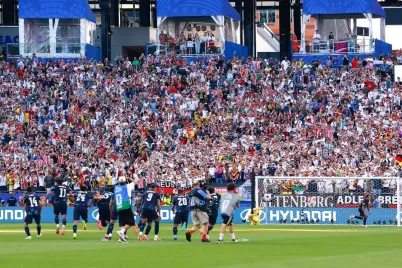

The 2026 FIFA World Cup delivered a night of profound historical significance on Wednesday, 17 June 2026, as reigning world champions Argentina commenced their title defence with a commanding 3-0 victory over Algeria. Staged beneath the floodlights of the imposing Kansas City Stadium in Missouri, the Group J fixture officially kicked off at 02:00 BST. In front of a passionate, capacity crowd heavily clad in sky blue and white, the South American heavyweights demonstrated exactly why they are overwhelmingly favoured to retain their global crown. The thoroughly entertaining encounter seamlessly blended collective tactical discipline with unforgettable individual milestones, dispatching a spirited but ultimately overmatched North African opponent.
The narrative of the entire evening was completely dominated by the enduring brilliance of Argentina’s talismanic captain, Lionel Messi. Producing a breathtaking individual performance, the veteran forward netted a superb hat-trick to officially equal Miroslav Klose’s all-time World Cup record of 16 goals. Exactly twenty years to the day after making his tournament debut in Germany, the legendary playmaker guided his nation to a crucial opening-day triumph, setting an incredibly high standard for the rest of the expanded 48-team field.
Tactical Foundations and an Explosive Start
Stepping onto the pitch as titleholders carries a unique psychological burden, yet Lionel Scaloni’s men appeared entirely unburdened by the immense expectations. Operating in their familiar, fluid tactical system, the South Americans sought to monopolise possession and establish an early rhythm through the midfield orchestrations of Alexis Mac Allister. However, the Algerian side, seeking to engineer a monumental upset, refused to simply sit back and absorb the pressure. The opening fifteen minutes were characterised by a breathless, end-to-end tempo that genuinely surprised the defending champions.
Both sides experienced the sheer elation and immediate heartbreak of disallowed goals during the frantic early exchanges. Algerian forward Fares Chaibi thought he had secured a shock lead for the Fennec Foxes, only for the assistant referee’s flag to rightfully rule the effort out for offside. Moments later, Messi experienced the exact same fate at the opposite end of the pitch. This incredibly open start suggested a highly competitive shootout, forcing the Argentine midfield to rapidly tighten their defensive transitions and exert greater control over the central third of the pitch.
The Breakthrough and First-Half Attrition
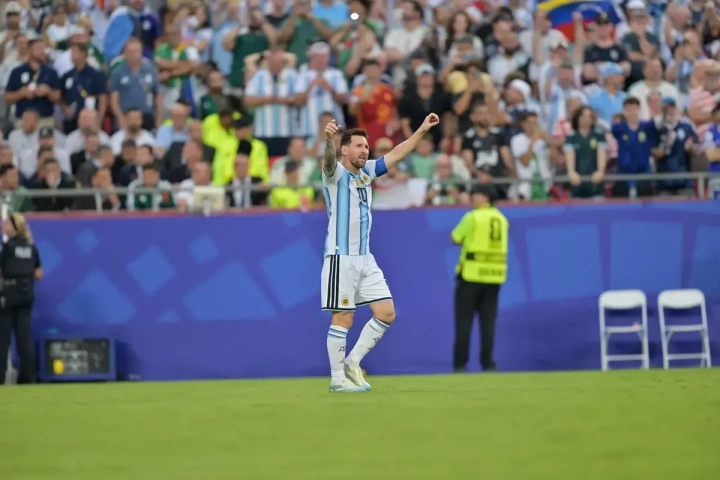
Having successfully weathered the early North African storm, the world champions ruthlessly asserted their authority in the 17th minute. Picking up possession roughly thirty yards from goal, Messi seamlessly rolled past his immediate marker with a sudden burst of acceleration. Driving aggressively forward into the final third, he expertly curled a spectacular, trademark left-footed finish well beyond the desperate, sprawling grasp of Algerian goalkeeper Luca Zidane.
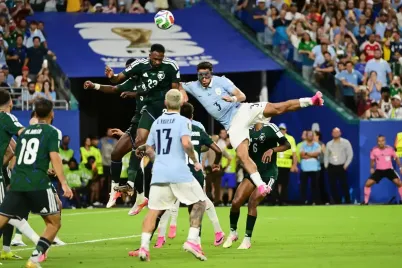
Despite falling behind, the underdogs maintained their structural discipline and occasionally threatened on the counter-attack. Anis Hadj Moussa carved out the best opportunity for his side shortly after the opening goal. Finding a rare pocket of space just outside the penalty area, he unleashed a low, driving effort toward the bottom corner. Fortunately for the South Americans, a crucial defensive deflection completely took the sting out of the shot, allowing goalkeeper Emiliano Martinez to gather the ball comfortably and preserve his clean sheet. For the remainder of the opening period, Scaloni’s men largely kept their opponents at arm’s length, dictating the pace and nearly doubling their advantage when a powerful header from Mac Allister sailed narrowly over the crossbar.
Second-Half Dominance and the Hat-Trick
Emerging from the interval with a slender one-goal advantage, the Albiceleste noticeably increased their attacking intensity, eager to definitively put the contest to bed. The captain remained at the absolute heart of every threatening forward movement. Shortly after the restart, Messi flashed a dangerous 20-yard effort just over the woodwork before showcasing his elite vision by slipping a perfectly weighted through-ball into the path of Lautaro Martinez. The Inter Milan striker attempted to deliver a dangerous ball across the face of the goal, but Zidane anticipated the danger brilliantly to cut out the cross.
The relentless, sustained pressure finally yielded a decisive second goal on the hour mark. Driving powerfully through the Algerian midfield, Mac Allister unleashed a thunderous, swerving strike that proved too hot for the goalkeeper to handle. Zidane was only able to parry the fierce effort back into the danger zone, and Messi reacted with predatory instincts, pouncing on the loose rebound to finish coolly with his right foot.
The crowning moment of the evening arrived in the 76th minute, cementing a legendary individual performance. Collecting the ball on the edge of the penalty area, the 38-year-old superstar executed a flawless, curling finish that nestled beautifully into the back of the net. The strike not only completed his 61st career hat-trick but also marked his 200th senior international appearance in the most spectacular fashion imaginable. Officially awarded the Player of the Match accolade, his three-goal haul ensures he joins the elite echelon of World Cup goalscorers, sitting joint-top of the all-time list with 16 tournament goals. Furthermore, the phenomenal achievement means he has now scored in five consecutive World Cup matches.
Emotional Undercurrents and Managerial Praise
Beyond the sheer statistical magnitude of the achievement, the fixture produced several deeply poignant human moments. Following his spectacular opening goal in the first half, Messi was visibly overcome with emotion, shedding tears during his celebration. This uncharacteristic display of raw vulnerability sparked immediate curiosity among fans and pundits alike.
Addressing the moment in his post-match media obligations, the captain clarified that the tears were not directly tied to his historic milestones. “Why did I cry? It was something completely unrelated to football,” he candidly explained to reporters. “I went through some difficult days, but I’m grateful to the entire delegation and my teammates because they were always by my side, giving me a lot of strength to help me get through it.”
Manager Lionel Scaloni was similarly effusive in his praise, openly admitting his sheer awe at his captain’s enduring, world-class capabilities. “I no longer have the words to describe Messi,” the head coach stated with a smile. “For twenty years, he’s had us used to seeing things like this, and he inspires everyone who watches him play.” Scaloni also expressed immense satisfaction with his squad’s overall application, noting that the comfortable lead allowed him to strategically rotate the team and provide valuable minutes to several squad players as the match reached its conclusion.
Tournament Implications and the Road Ahead
From a broader tournament perspective, this comprehensive result sends a terrifying, emphatic message to the rest of the global challengers. Argentina’s quest to become the first nation since Brazil in 1962 to win back-to-back World Cup titles has officially begun with a flawless, confidence-building display. The South Americans immediately take control of the Group J standings and will rapidly turn their undivided attention towards a highly anticipated clash against Austria on 22 June, where their captain will have the golden opportunity to break the all-time scoring record outright.
Conversely, the North African side must quickly dust themselves down and extract the positives from an incredibly arduous opening assignment. While the final scoreline makes for difficult reading, their energetic start and tactical bravery during the first half prove they possess the quality to trouble less formidable opponents. They face a crucial, absolute must-win encounter against Jordan in their subsequent group match, knowing that securing three points is entirely essential to keeping their dreams of knockout progression alive in North America.