

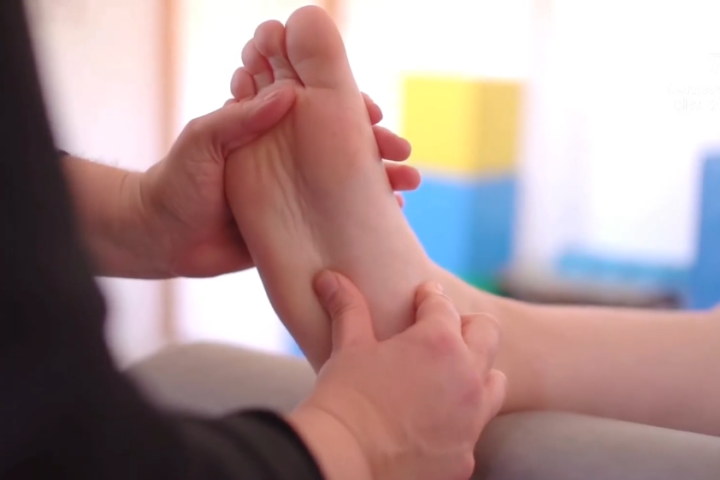
NHS Cornwall and Isles of Scilly, working in partnership with Cornwall Partnership NHS Foundation Trust (CFT) Podiatry Services and members of the Long-Term Conditions Expert Reference Group, has launched a new educational video to help people living with diabetes look after their feet and prevent serious complications.
The new film, Happy Feet: Small Steps Make a Big Difference, highlights the importance of daily foot care and encourages people to seek help early if they notice any changes or concerns.
Diabetes can affect circulation and reduce sensation in the feet, making it harder to notice injuries and slowing the body’s ability to heal. Without prompt treatment, seemingly minor problems such as cuts, blisters or infections can develop into more serious complications. Diabetes remains one of the leading causes of lower limb amputations, many of which can be prevented through good self-care and early intervention.
While the number of people with diabetes in Cornwall has risen in the last decade, the number of diabetic amputations has reduced.
The video was co-produced with people living with long-term conditions to ensure the advice is practical, accessible and relevant to everyday life.
The film encourages people with diabetes to incorporate three simple foot care habits into their daily routine:
- Wash and dry feet thoroughly every day, especially between the toes.
- Moisturise dry skin to help prevent cracks, while avoiding the areas between the toes.
- Wear well-fitting shoes and socks that protect and accommodate the shape of the feet.
Viewers are also encouraged to carry out a daily foot check for cuts, blisters, redness, swelling, hard skin, cracks or changes in colour or shape.
Members of the Long-Term Conditions Expert Reference Group helped shape the key messages in the film, which emphasises that foot care does not need to be complicated.
Paul Sweet is a member of the long-term conditions group and has previously had four toes amputated. Paul said:
“It’s really important to look after your feet. If you’ve got any problems make sure you speak to your podiatrist as soon as you’ve got those problems, because the sooner they know, the sooner they can be treated.”
The video also includes advice for carers and family members who support someone living with diabetes, helping them recognise warning signs and understand when to seek professional advice.
Healthcare professionals are urging people not to ignore any changes to their feet.
Anyone who notices a cut or blister that is not healing, redness, swelling, heat, broken skin, discharge, new pain, or changes in foot colour should seek help promptly by contacting their GP, diabetes nurse, podiatry team, local minor injury unit or NHS 111.
Chris Reid, Chief medical officer for NHS Cornwall and Isles of Scilly said:
“Looking after your feet is one of the simplest and most effective ways people with diabetes can protect their health and independence. By checking your feet every day and getting help early if something doesn’t look right, many serious complications can be prevented. This film provides practical advice that can easily become part of a daily routine.”
Neil Smith, podiatry professional lead, Cornwall Partnership NHS Foundation Trust said:
“We know that early intervention is key. Small problems can become serious very quickly if they go unnoticed, particularly for people with diabetes. We hope this video empowers people to recognise the signs to look out for and feel confident about seeking help when they need it.”
The Happy Feet video is available to view and forms part of wider work across Cornwall and the Isles of Scilly to support people living with long-term conditions to stay healthy, active and independent.
For more information about diabetes foot care, speak to your GP, diabetes nurse or podiatry team, or visit the NHS website.